Meteora
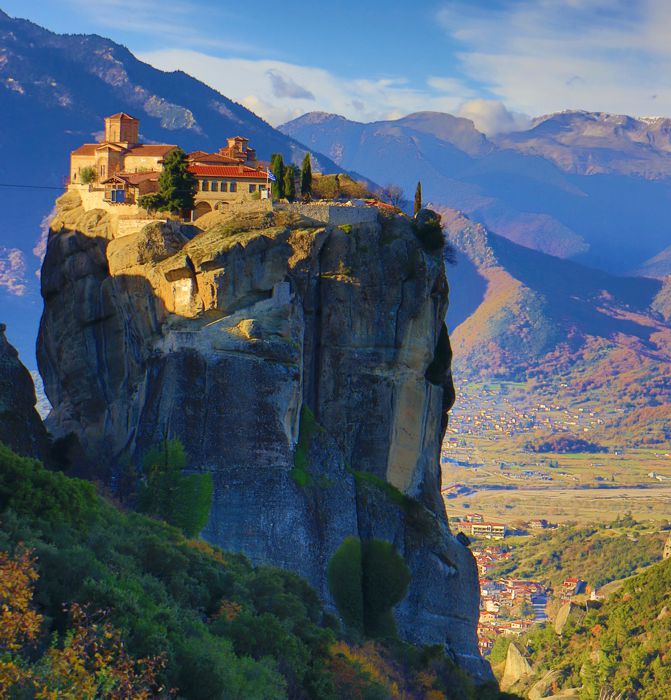
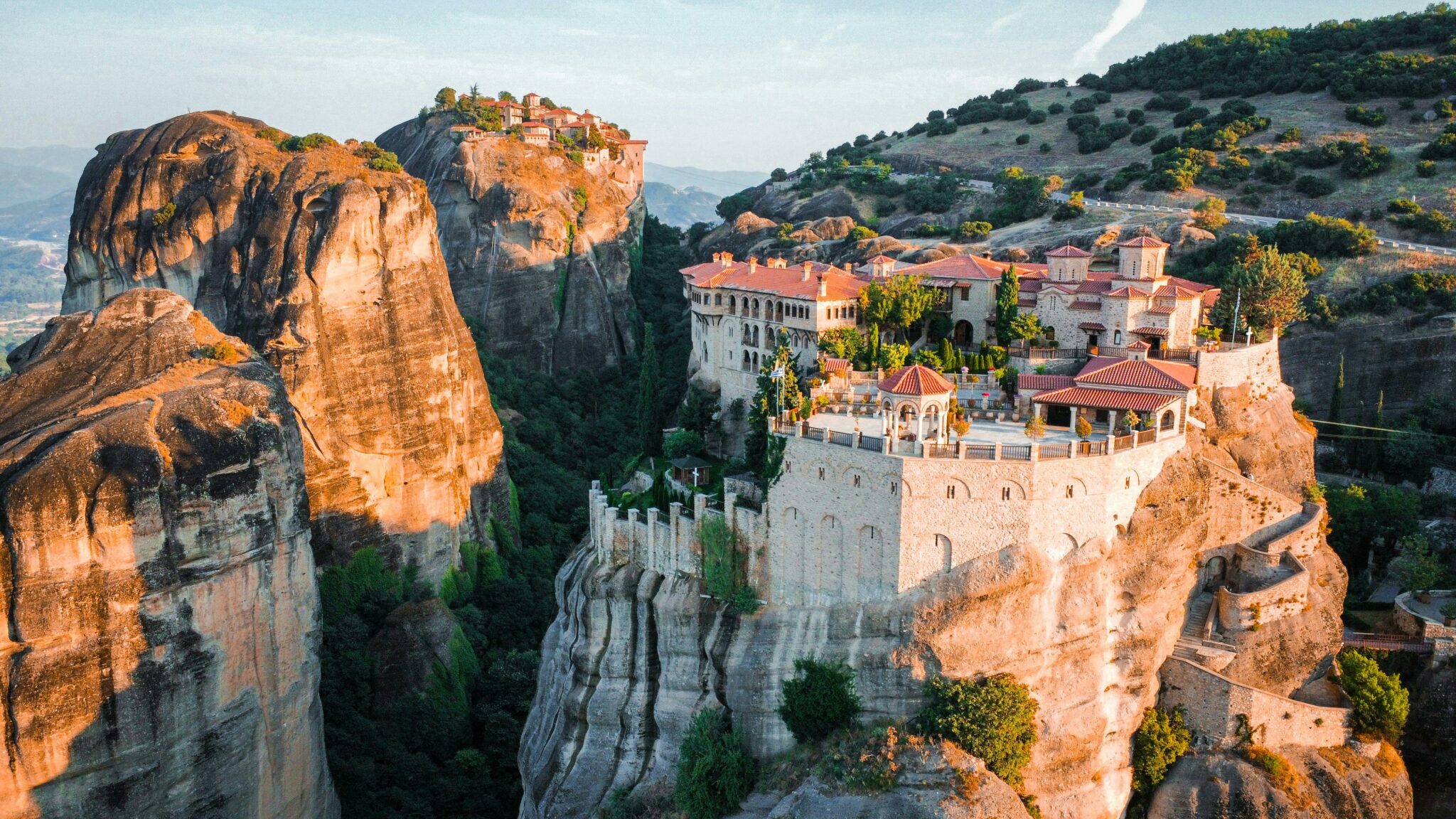
Meteora is one of the most spectacular and beautiful areas in Greece, located in Thessaly, a little more than 215km away from Thessaloniki.
The Meteora is a rock formation in central Greece hosting one of the largest and most precipitously built complexes of Eastern Orthodox monasteries, second in importance only to Mount Athos. The 24 monasteries emerged on the countless summits of the rocks from the 14th until the 16th century, 6 of them remaining to be explored and admired by all.
These monasteries became the centers of the Orthodox creed in the Byzantine era, having produced some of the best pieces of religious art and craft and still possessing a collection of precious manuscripts, which today are on display in their museums.
The Meteora monasteries have been included in the UNESCO World Heritage List and the Meteora-Antichassia region has been officially declared a Natura 2000 Ecological Zone.
The most important monasteries of Meteora are:
- The Holy Monastery of Great Meteoron. It is the biggest of the Meteorite monasteries. The church 'Katholikon', honoured to the 'Transfiguration' was erected in the middle of 14th c. and 1387/88 and decorated in 1483 and 1552. The old monastery is used as a museum, nowadays.
- The Holy Monastery of Varlaam is the second, after the Great Meteoro, big in size monastery. The church, honoured to the three Bishops, is in the Athonite type (cross-in-square with dome and choirs), with spacious esonarthex (lite) surrounted by dome as well. It was built in 1541/42 and decorated in 1548, while the esonarthex was decorated in 1566. The old refectory is used as a museum while North of the Church we can see the parekklesion of the Three (Bishops) built in 1627 and decorated in 1637.
- The Holy Monastery of Rousanou. It is dedicated to 'The Transfiguration' but honoured to Saint Barbara. The 'Katholikon', in the Athonite type, was founded in the middle of 16th c. and decorated in 1560. Both, the Katholikon and the reception halls are in the ground floor while the 'archontariki', cells and subsidiary rooms are scattered in the basement and the first floor.
- The Holy Monastery of St. Nicholas Anapausas. It is the first to meet on our way from Kastraki to Meteora. The 'Katholikon' dedicated to St. Nicholas, is a single - nave church with small dome, built in the beginning of 16th c. It was decorated by the Cretan painter Theophanis Strelitzas or Bathas, in 1527.
- The Holy Monastery of St. Stephen. It is one of the most attainable as we don't have to cope with innumerable stairs to reach it. The small single-nave church of St. Stephen was built in the middle of 16th and decorated in 1545 or a little later. The 'Katholikon', honoured to St. Charalambos, was built in the Athonite type, in 1798. The old refectory of the convent is used as a museum nowadays.
- The Monastery of Holy Trinity is very difficult to reach. The visitor has to cross the valley and continue high up through the rock before we arrive outside the entrance. The church is in the cross-in-square type with the dome based in two columns, built in 1475-76 and decorated in 1741. The spacious barrel - vaulted esonarthex was founded in 1689 and decorated in 1692. A small skeuophylakeion was added next to the church in 1684.
Travel tips:
• The road distance between Thessaloniki and Meteora is 228.5 km.
• The quickest way to get from Thessaloniki to Meteora is to drive which takes 2h 33m.
• Τhere is no direct bus departing from Thessaloniki and arriving at Meteora. Services depart operated by KTEL Trikalon. At the bus station you should get a bus to Trikala, which is the big city near Kalampaka and Meteora. Once you get to Trikala you can catch a bus to Kalampaka.
Dion
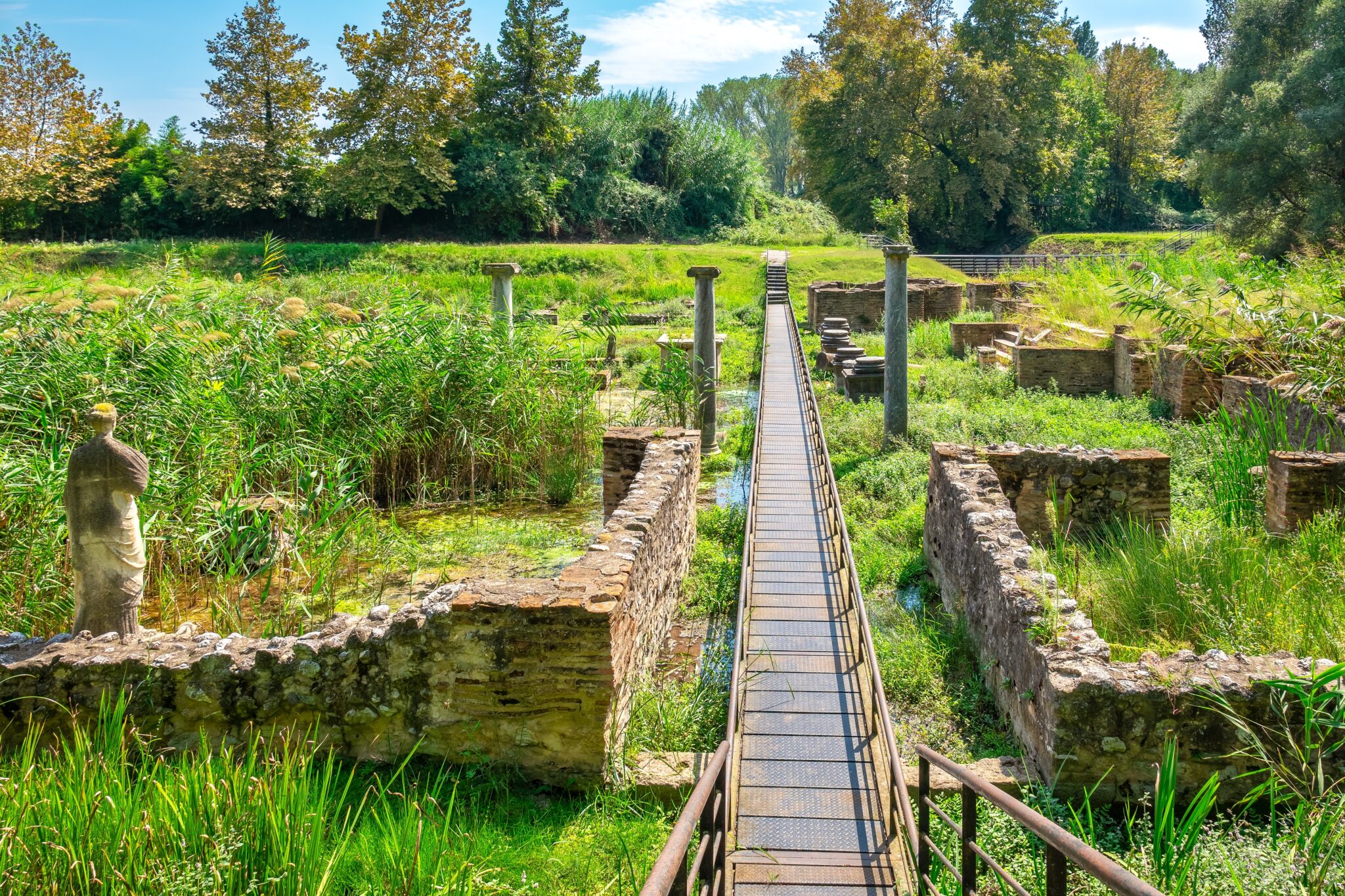
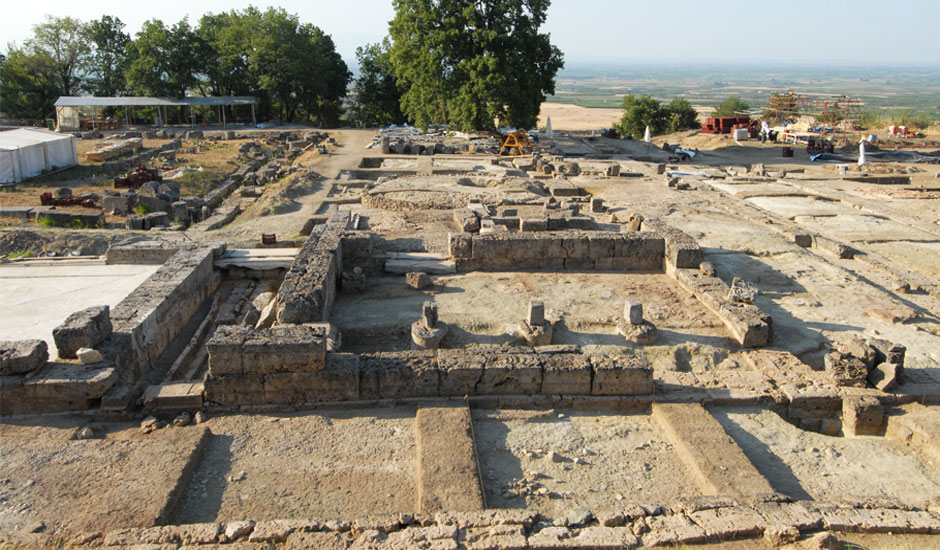
Ancient Dion, in the foothills of Mount Olympus, was the site where the ancient Macedonians worshipped the gods of Olympus. Excavation began in 1928 and continued at a faster pace by Professor Dimitrios Pantermalis in 1973-1988, revealed that Dion was a holy city for the Macedonians in antiquity.
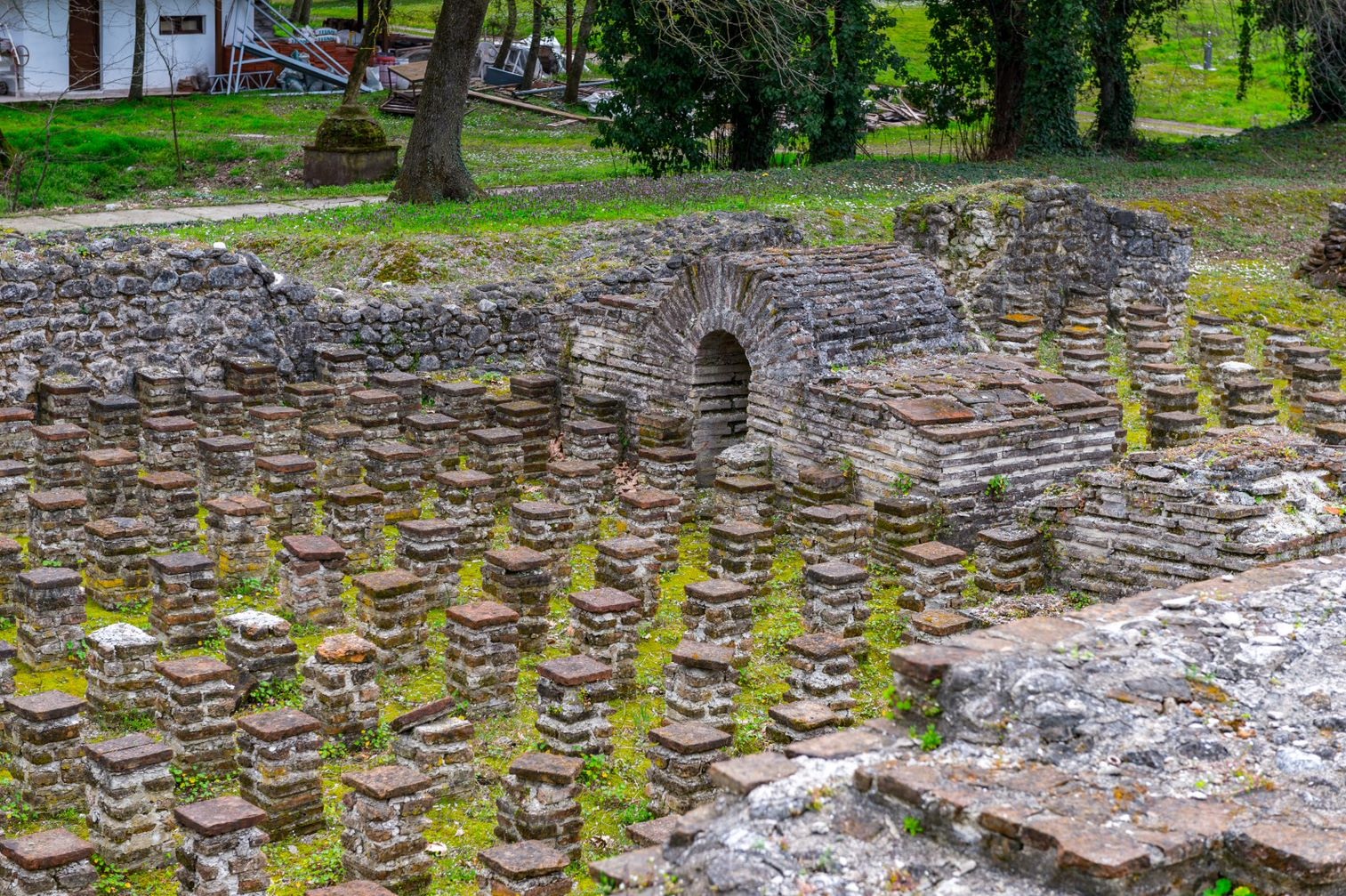
Among the finds are the temples of Demeter, Iisis, and Dionysus, the Asclepium, roads with ships, a cemetery, the city walls, a Hellenistic and Roman theatre, Roman baths with many sculptures, the Odeion, and an early Christian basilica outside the walls. Many of the finds are now on display in the Archaeological Museum in the village of Dion.
Dion is about an hour from Thessaloniki.
For information about KTEL buses for Pieria Prefecture call +30 2310 595428.
Address: Dion, 601 00 Katerini
Telephone: +30 23510 53206, +30 23510 53484
Vergina Aigai - The royal capital of Macedon
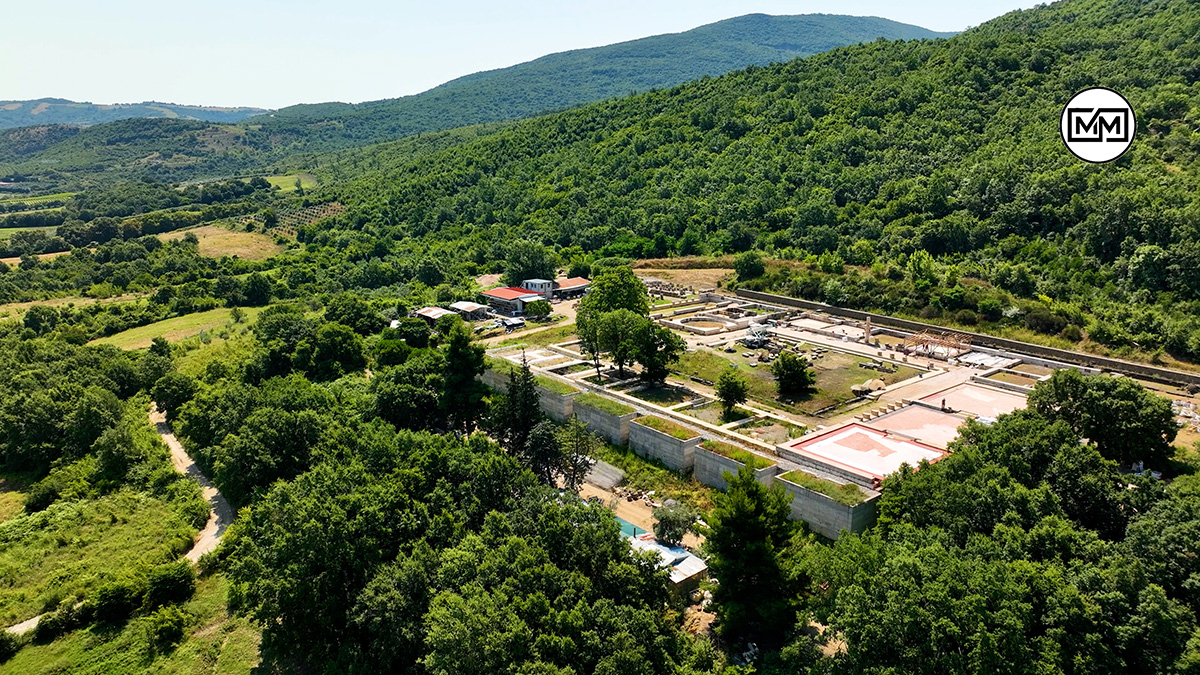
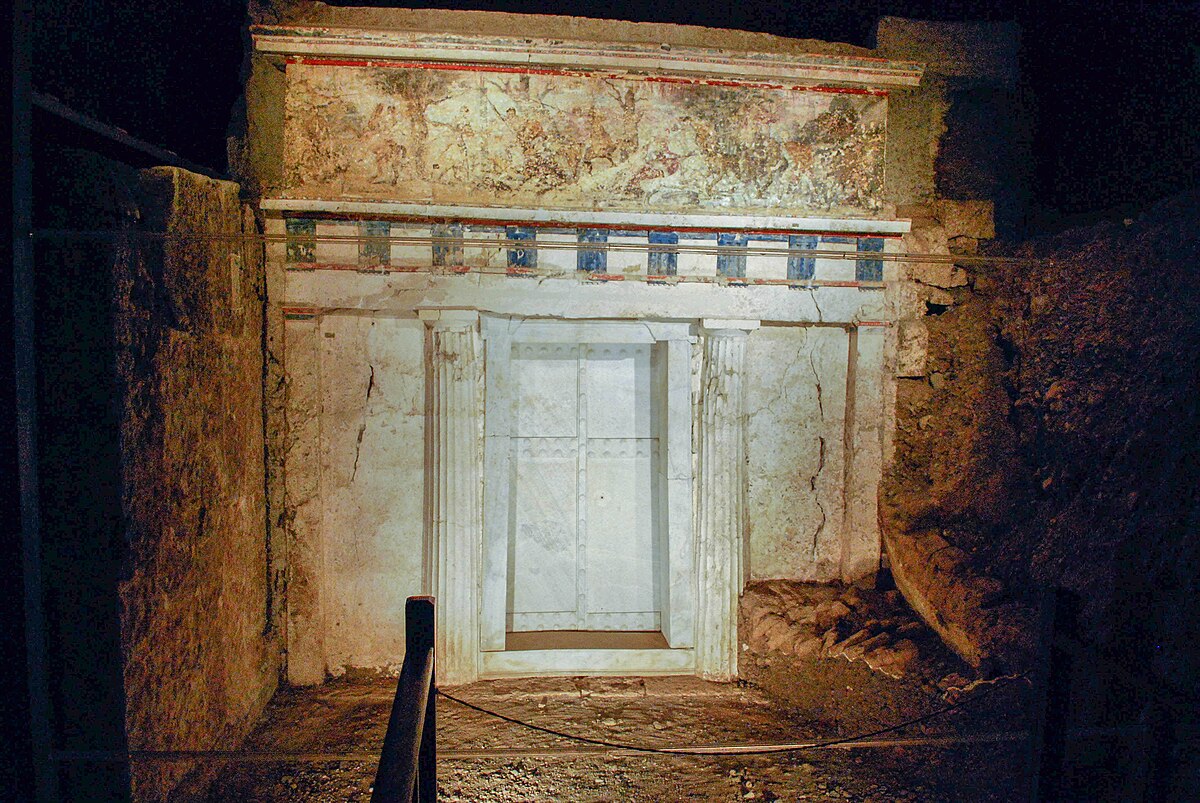
Finds excavated by Greek archaeologist Manolis Andronikos in 1977 enabled him to identify the city of Aiges, the capital of Macedonia in antiquity. He found a series of intact tombs under a hill. One of them belonged to Phillip II, father of Alexander the Great, and is considered one of the most significant archaeological finds of the 21th century.
The treasures include the gold larnax that held the bones of Phillip and the impressive golden oak wreath he was wearing. With 313 leaves and 68 acorns, it weighs 714 grammes.
In the summer of 336 BC, Philip II, the elected leader and commander of all the Greeks, decided to celebrate in Aigai his omnipotence by organizing an unprecedented in glory feast. The moment he entered the theatre following the sacred procession the assassin’s dagger stuck him and killed him in front of the gathered crowd. Alexander was proclaimed king after burying his father in the royal necropolis of Aigai in an unparalleled glorious ceremony.
At the beginning of the spring of 334 BC, the young king will set forth from Aigai on his great campaign that will turn him into the ruler of the world. Alexander will bequeath to the Hellenistic world the new trends and currents that arose in the environment of Philip II and will set the foundations of a new world.
Travel tips:
• The road distance between Thessaloniki and Vergina is 77 km.
• The quickest way to get from Thessaloniki to Vergina is to drive which takes 50m.
• Τhere is no direct bus departing from Thessaloniki and arriving at Vergina. Services depart operated by KTEL Hmathias tel: +30 2310 595432. At the bus station you should get a bus to Veria, which is the big city near Thessaloniki. Once you get to Veria you can catch a bus to Vergina.
Address: Archaeological site of Aigai, 591 00 Vergina, Imathia
Telephone: +30 23310 92347
Website: aigai.gr
Lake Skra “Blue Lake
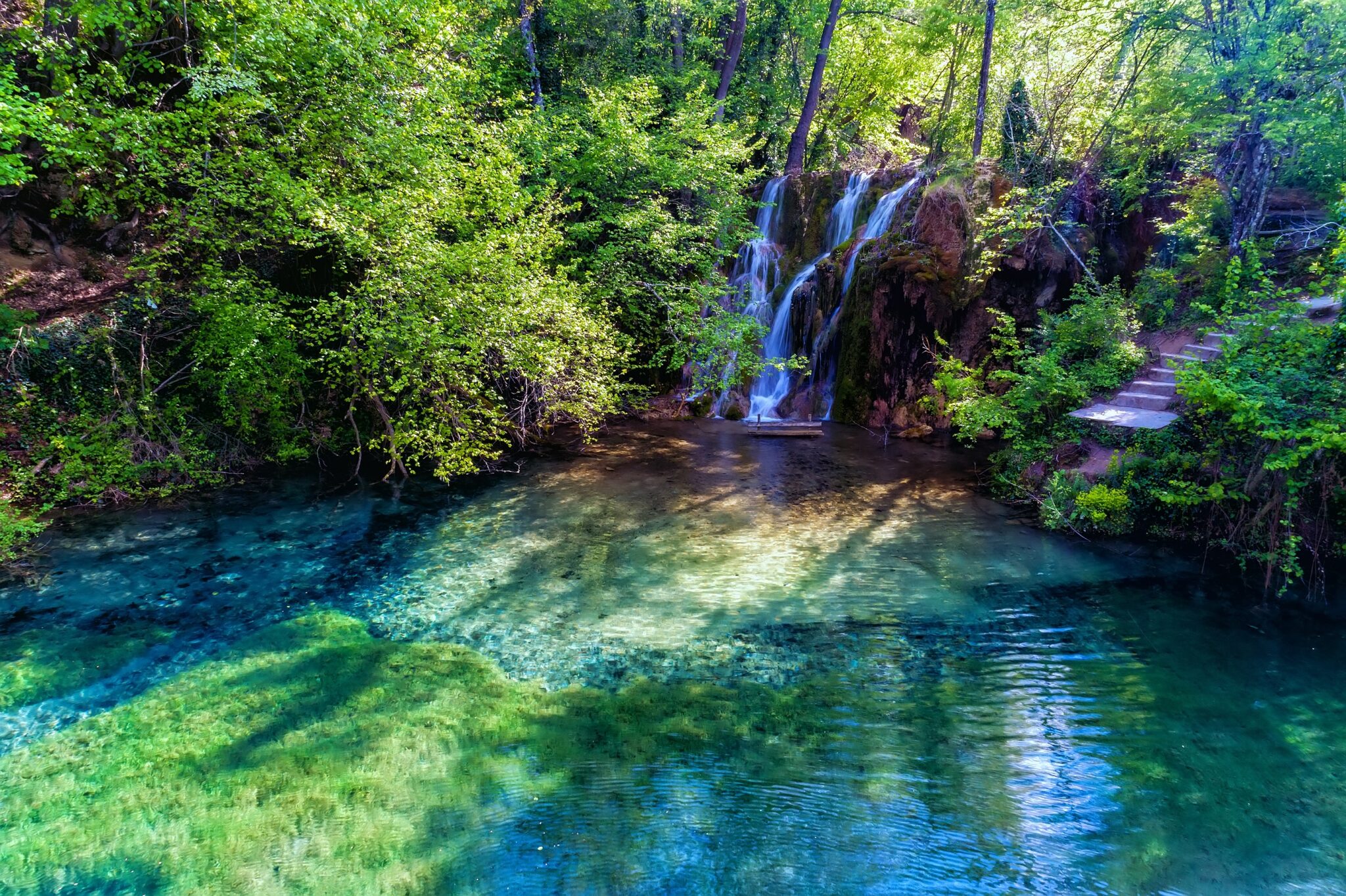
Lake Skra, also known as the “Blue Lake,” is one of the most stunning natural landscapes in Central Macedonia. Located near the village of Skra, at the foothills of Mount Paiko, it is famous for the unique turquoise color of its waters, caused by the reflection of light on limestone rocks. The path to the lake leads through a lush forest with waterfalls and small natural pools, creating a fairytale-like atmosphere. It is a perfect destination for a nature getaway, hiking, and capturing postcard-worthy photographs.
Distance from Thessaloniki: about 100 kilometers (approximately 1 hour and 30 minutes by car).
Axios Delta National Park
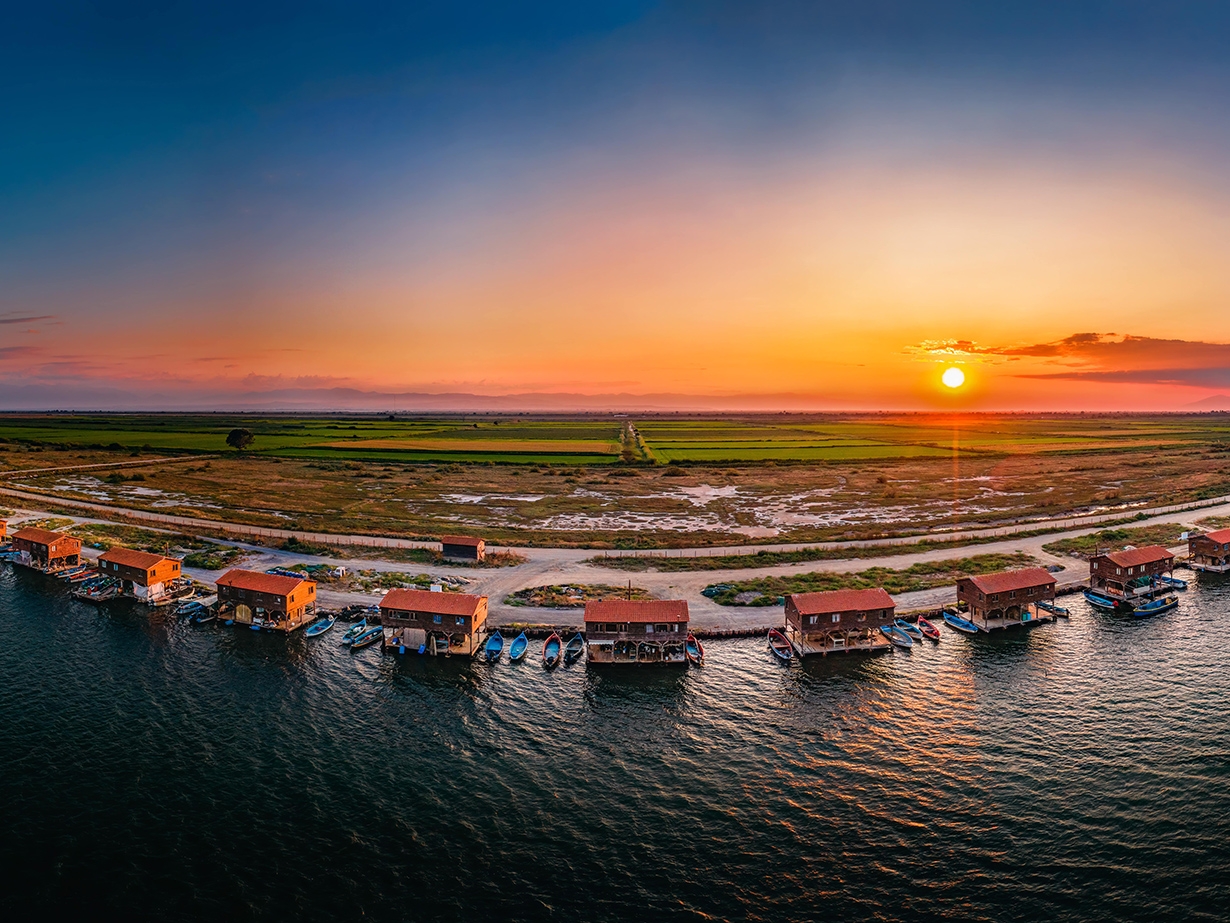
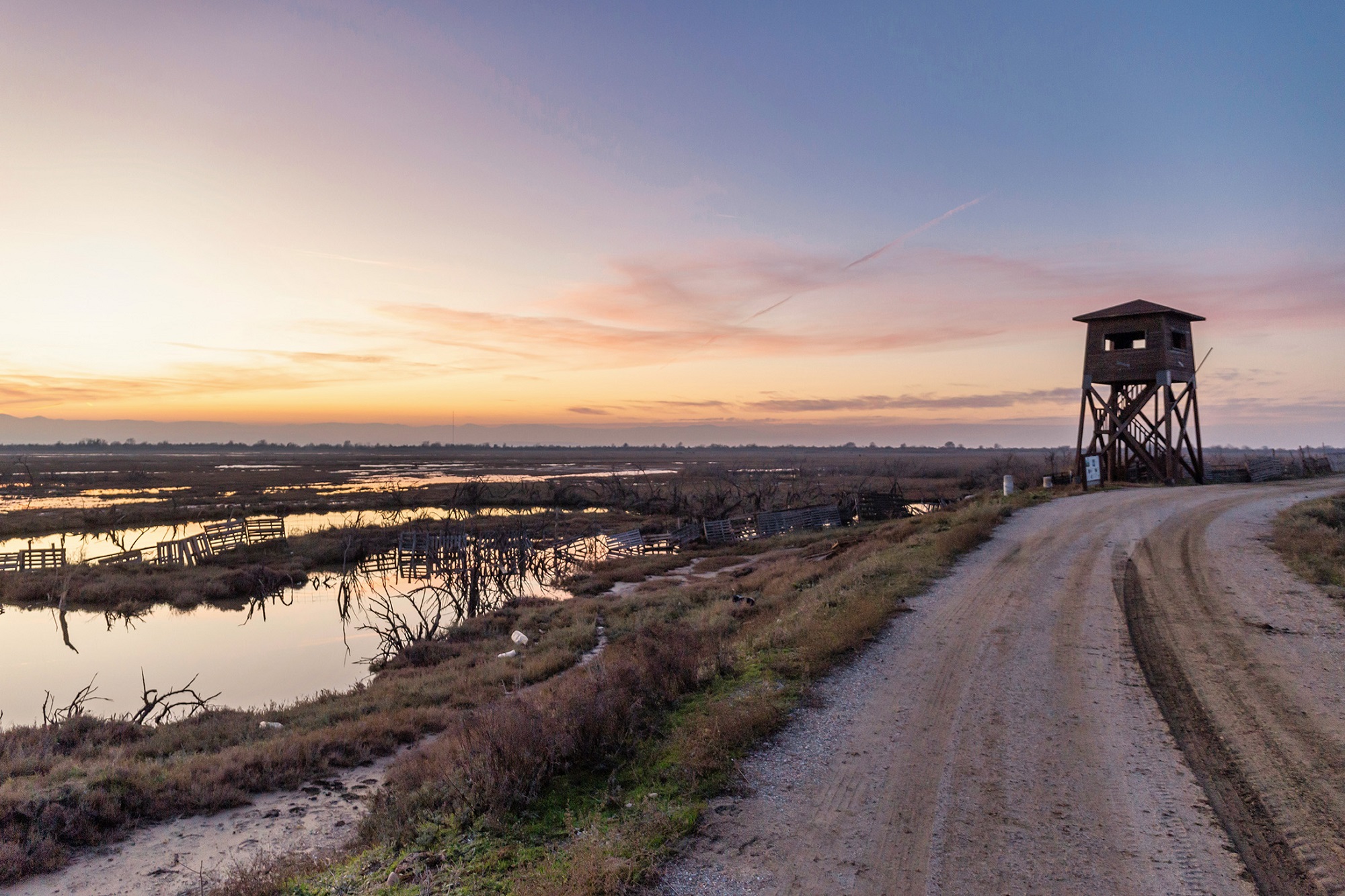
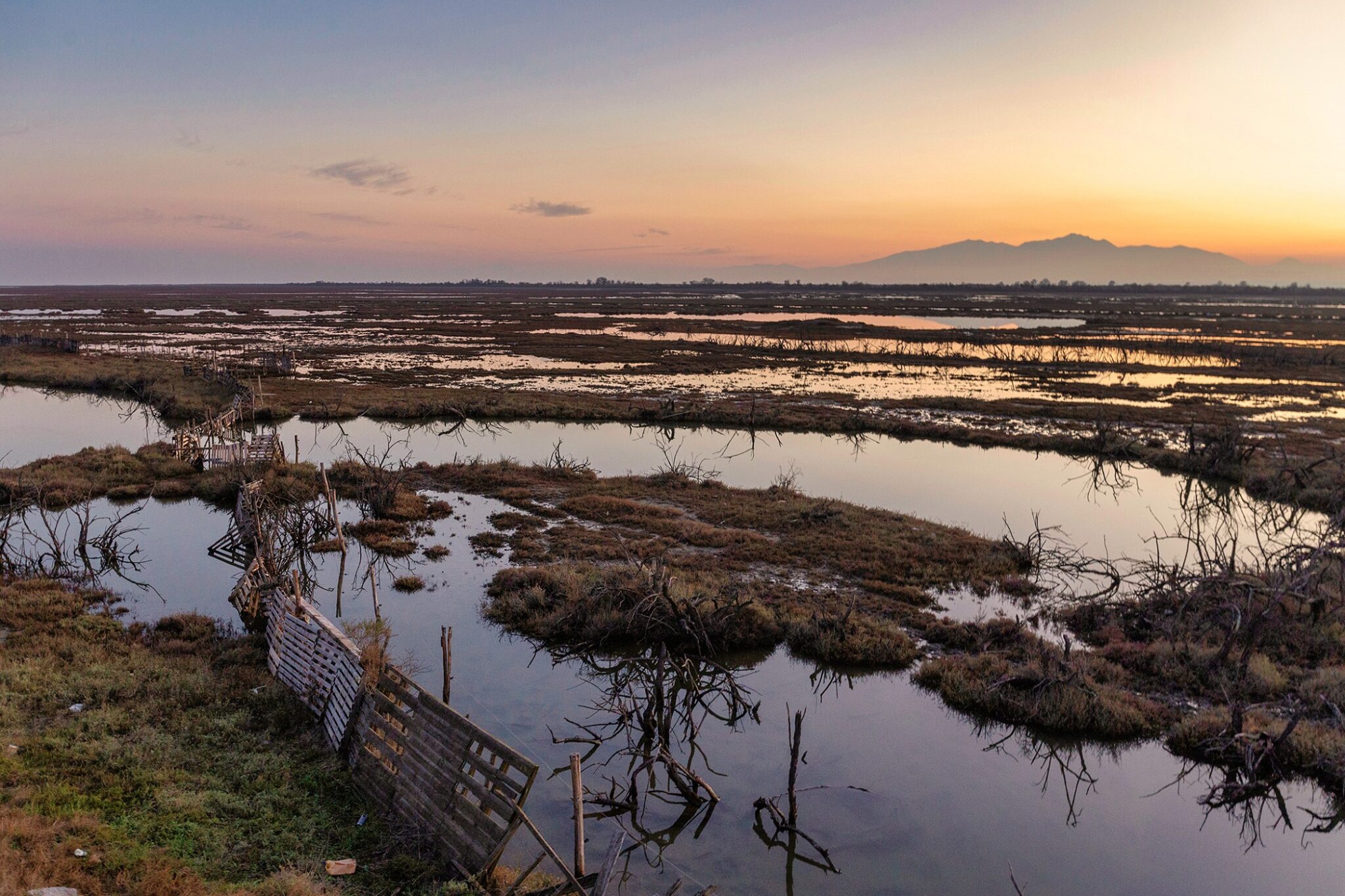
The protected area of the Axios – Loudias – Aliakmonas Delta, located close to the urban centers of Thessaloniki, Veria and Katerini, offers excellent opportunities for walks, birdwatching, photography, or simply escaping the noise of the city.
Every season of the year has something unique to offer: winter with impressive gatherings of waterbirds and raptors at Agathoupoli, spring with the singing of birds and herds of horses in the shady riverside forests, summer with refreshing walks along the coast, and autumn with large flocks of waders in the lagoon of Kalohori and the Kitros saltworks.
Follow the suggested routes and discover the beauty of the area up close! Begin your excursion at the offices of the Management Authority in Chalastra, where you can collect informational material and maps, and learn more about the wetland (opening hours: 8:00 – 16:00).
Pozar Thermal Baths
At the foothills of Mount Voras, near the town of Aridaia, lie the famous Pozar Thermal Baths. This natural paradise features hot springs with water temperatures of around 37°C, offering relaxation, wellness, and therapeutic benefits. Visitors can enjoy bathing both in the outdoor pools surrounded by stunning natural scenery and in the indoor facilities.
The area perfectly combines healing with nature: you can walk along the gorge trails, admire the waterfalls, and enjoy activities such as hiking and mountain climbing. Pozar Thermal Baths are an ideal destination all year round, for relaxation and rejuvenation in a landscape of unique natural beauty.
Distance from Thessaloniki: about 100 kilometers (1 hour and 40 minutes by car).
Lake Kerkini
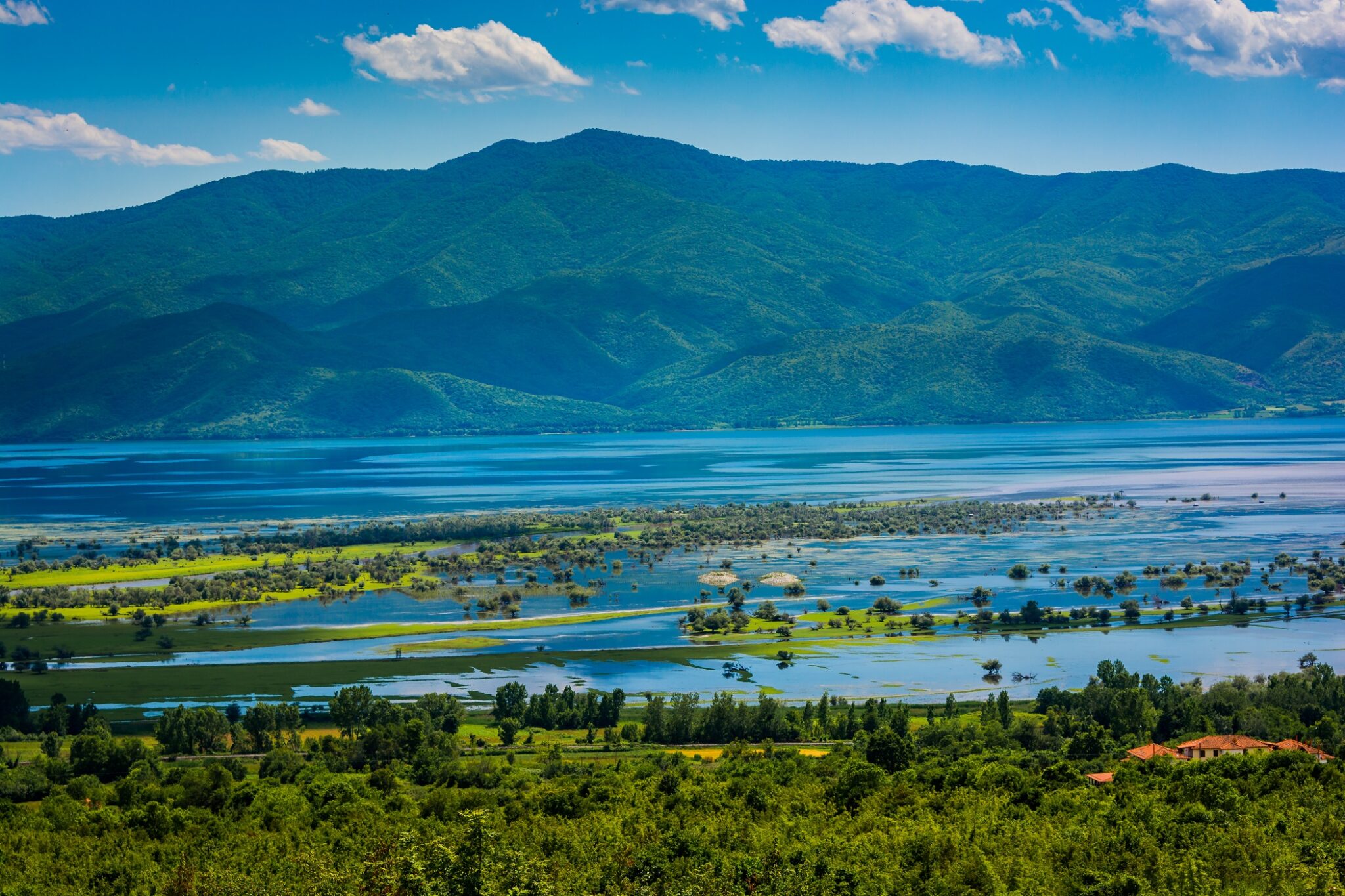
Lake Kerkini, located at the foothills of Mount Beles, is one of the most important wetlands in Greece and an ideal destination for nature lovers. It was artificially created in 1932, but nature transformed it into a paradise of biodiversity, home to hundreds of bird species, water buffalo, fish, and rare plants.
The area is perfect for outdoor activities such as boat trips on the lake, birdwatching, cycling, and horseback riding. The breathtaking scenery, with the water reflecting the mountains and the slow movement of the buffalo herds along the shores, offers unforgettable images to every visitor.
Distance from Thessaloniki: about 100 kilometers (approximately 1 hour and 30 minutes by car).
Naousa
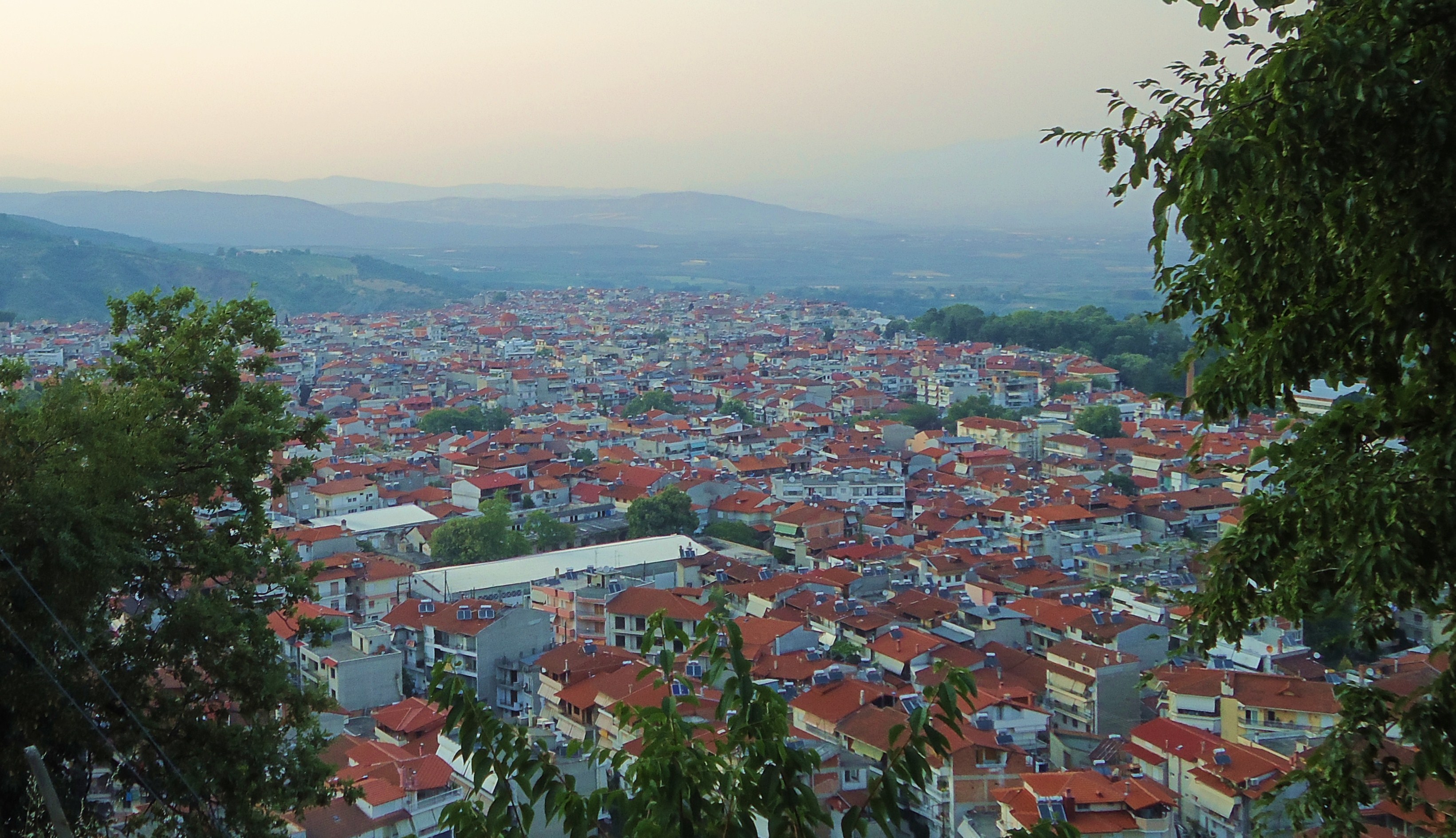
Naousa, built on the slopes of Mount Vermio, is a city that blends history, nature, and gastronomy. Known for its vineyards and the famous “Xinomavro” wine, it is a perfect destination for wine tourism. The town features traditional mansions, stone-paved streets, and charming parks, while a visit to the Grove of Saint Nicholas, with its flowing waters and lush greenery, is highly recommended.
Naousa is also famous for its cultural events, most notably the carnival and the traditional custom “Genitsaroi and Boules.” It is a city that offers authentic experiences throughout the year.
Distance from Thessaloniki: about 85 kilometers (1 hour and 15 minutes by car).
Kastoria
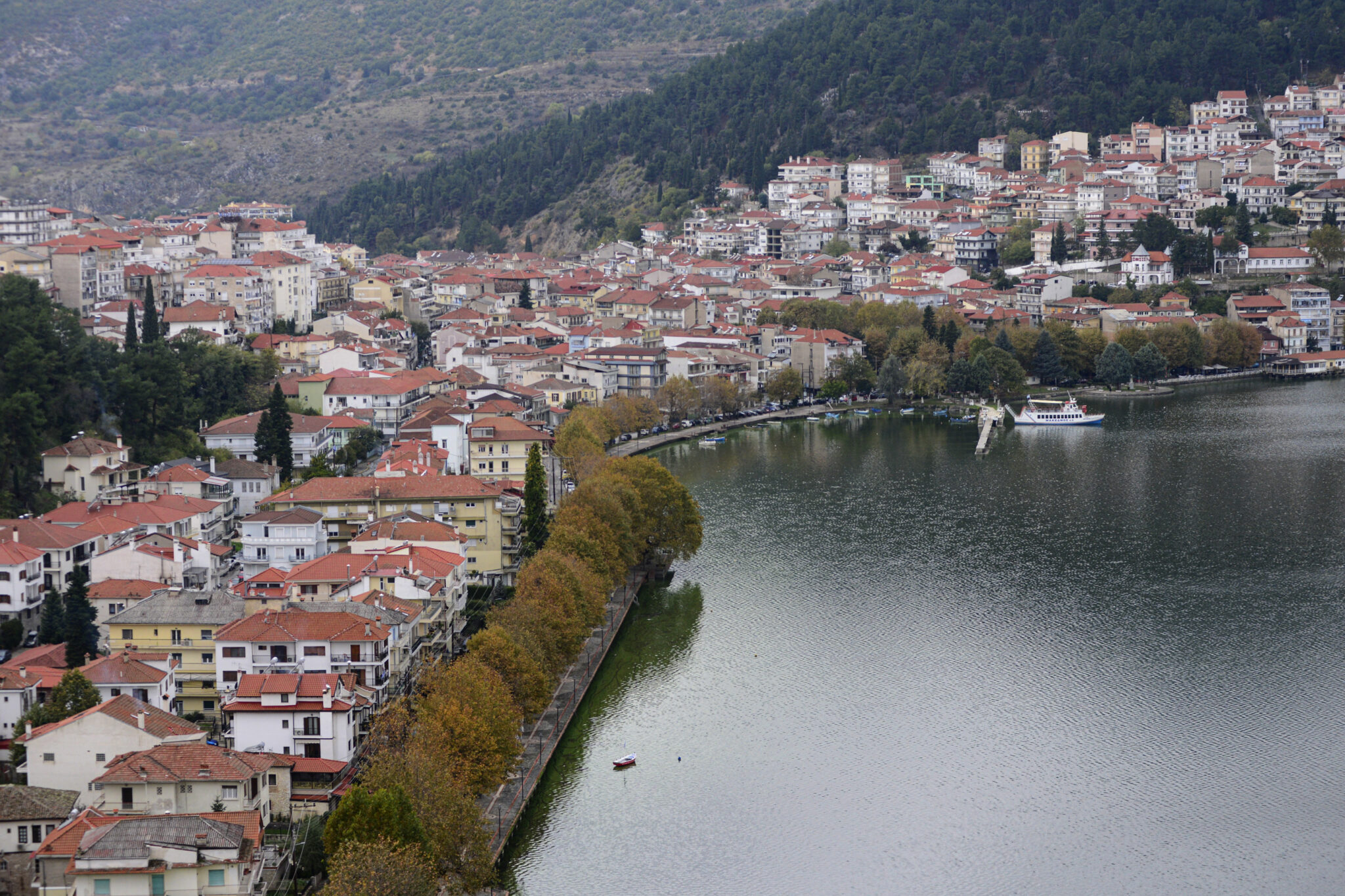
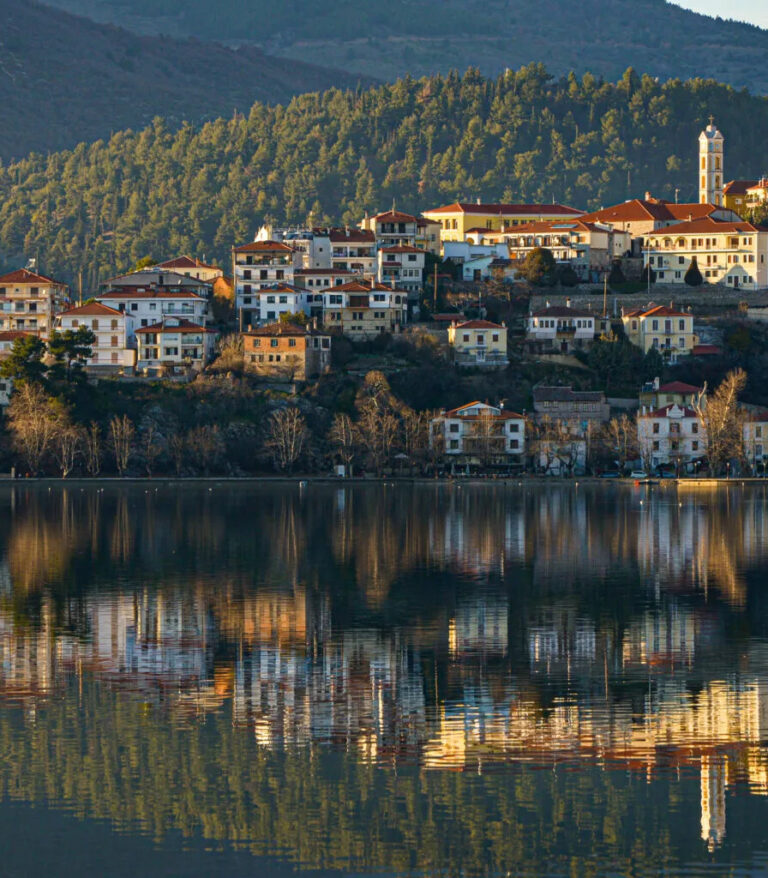
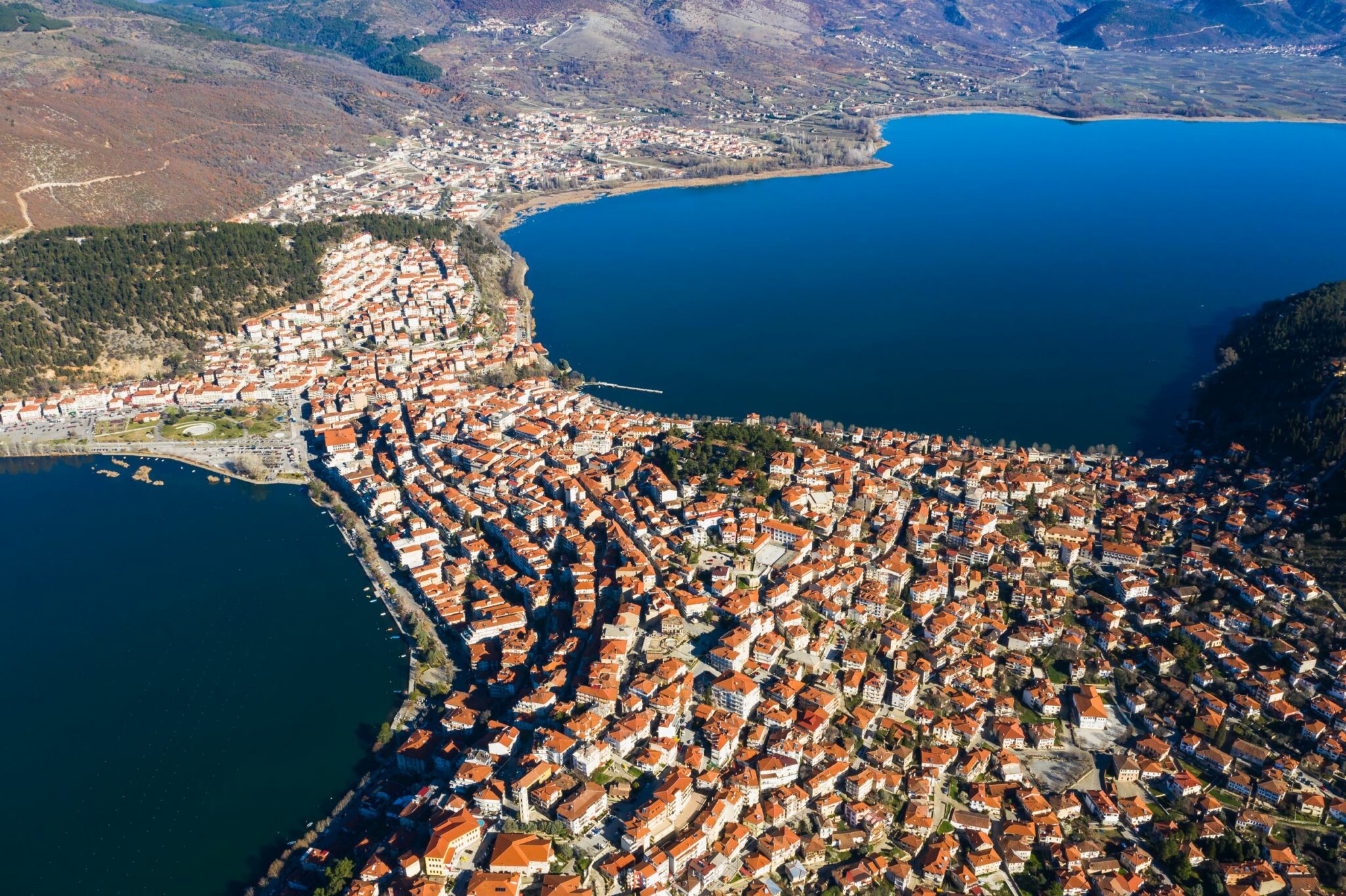
Kastoria, built amphitheatrically around Lake Orestiada, is one of the most picturesque towns in Northern Greece. The lake, with its reflections and pelicans, creates a magical setting that changes colors with each season. In the town you will find Byzantine churches, old mansions, and the traditional district of “Doltso,” which transports visitors back in time.
Kastoria is renowned for its fur-making tradition, but also for its gastronomy, featuring beans and local wines. It is an ideal destination for lakeside walks, cultural explorations, and nature getaways in the surrounding area.
Distance from Thessaloniki: about 200 kilometers (2 hours and 30 minutes by car).