Aristotelous Square
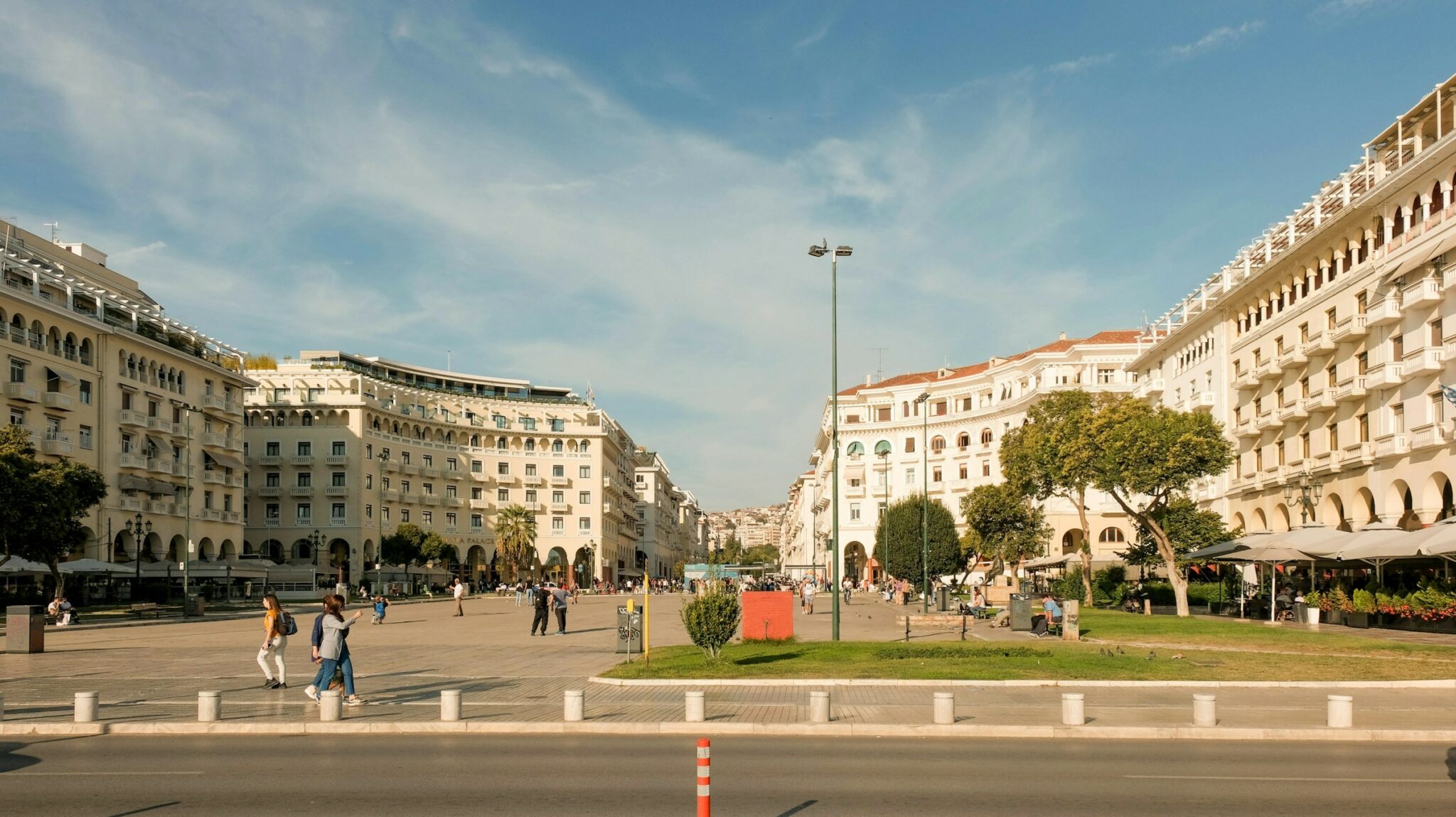
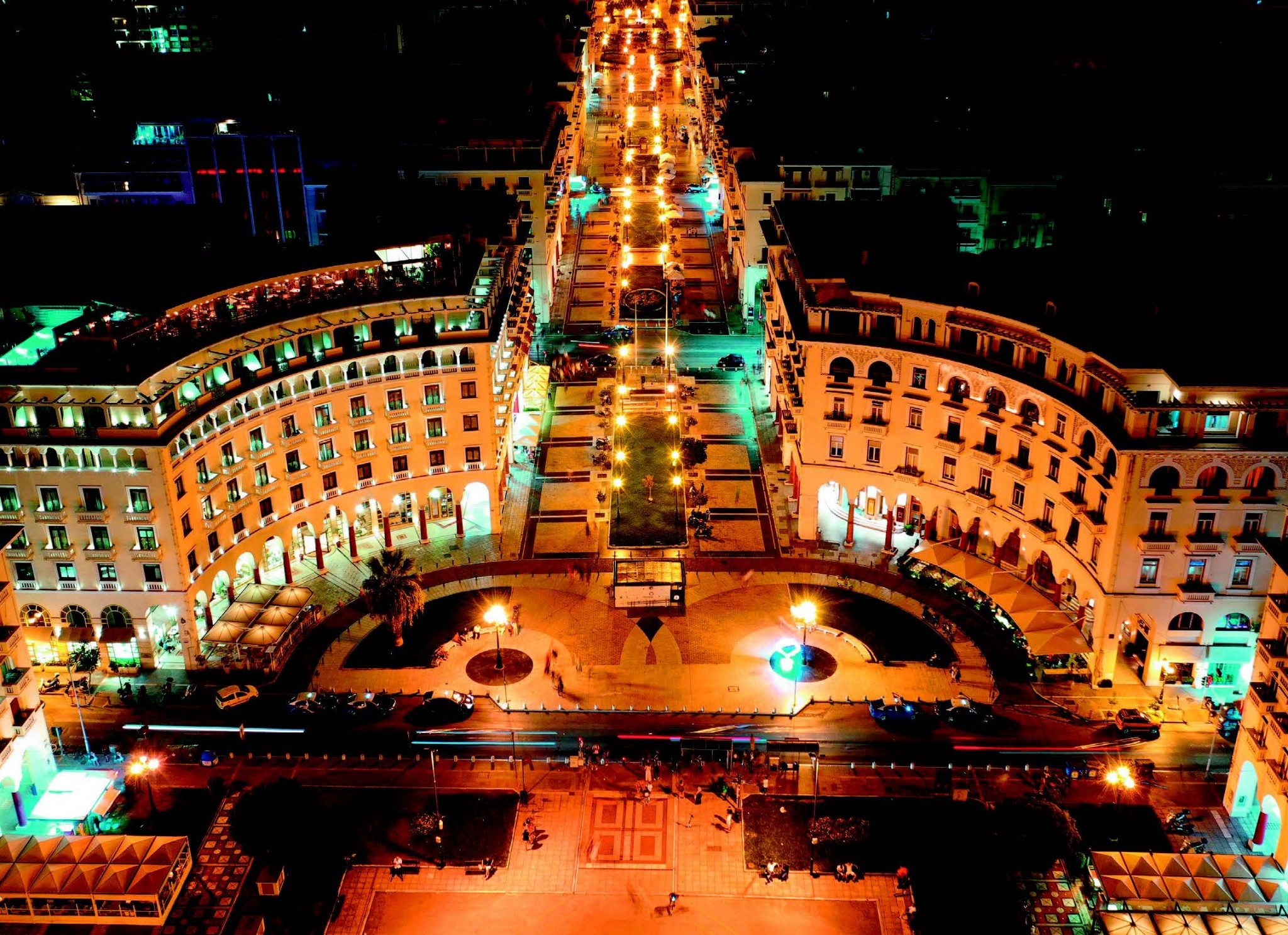
Τhe famous Aristotelous Square, a 20th century square designed by Ernest Hébrard in an eclectic style which combines elements from Byzantine and Western architecture. This waterfront square is one of the most famous places in Greece, and forms an important part of life in Thessaloniki with some of the city's most beautiful buildings and sights.
Built after the great fire of 1917, Aristotelous Square with its more appearance, echoes the sophisticated urbanity of grand European capitals. Designed by the pioneer French architect Ernest Hebrard, thus taking its particular aesthetic, this central square serves the need for leisure and commerce with numerous choices of shops, cafes and stylish bars while offering wonderful sea views. Two main buildings envelop the square, Electra Palace Hotel and Olympion cinema both utterly grandiose.
Address: Aristotelous Square, 54624 Thessaloniki
White Tower of Thessaloniki
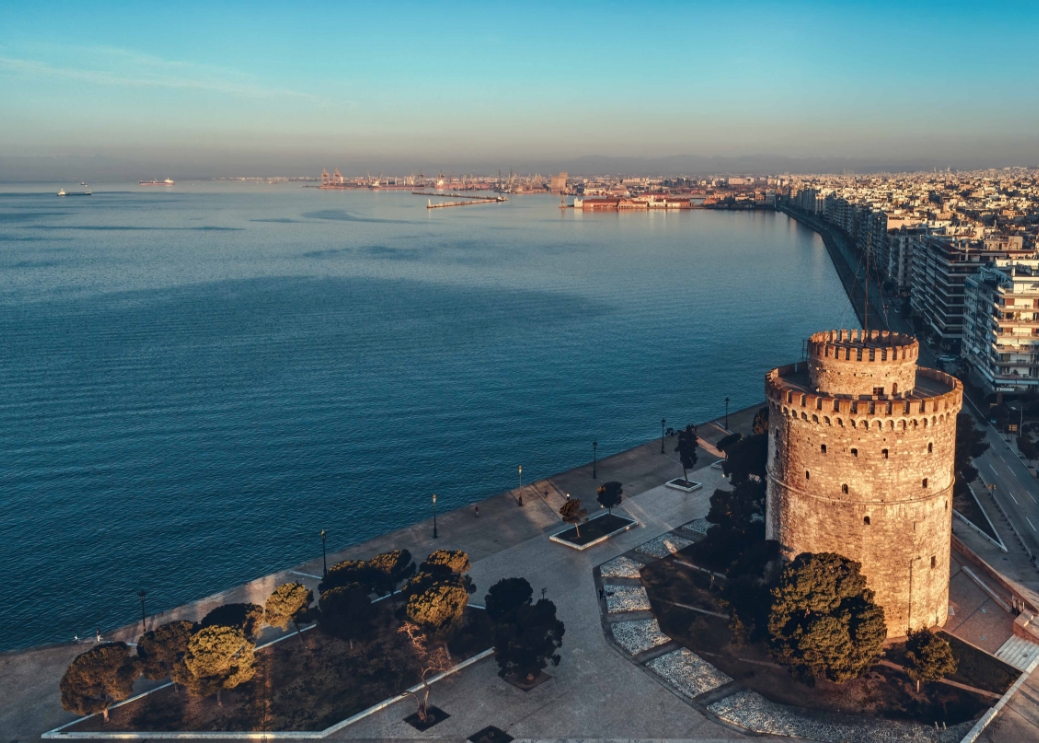
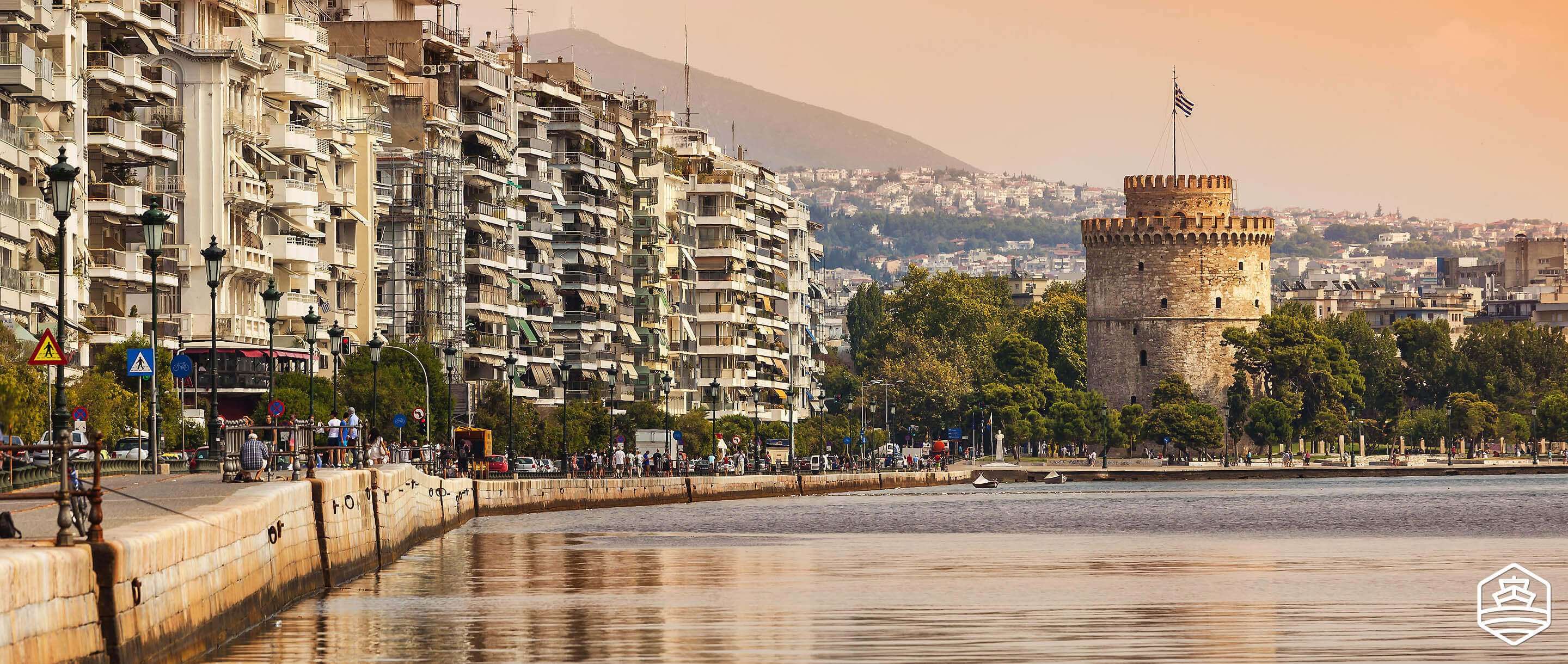
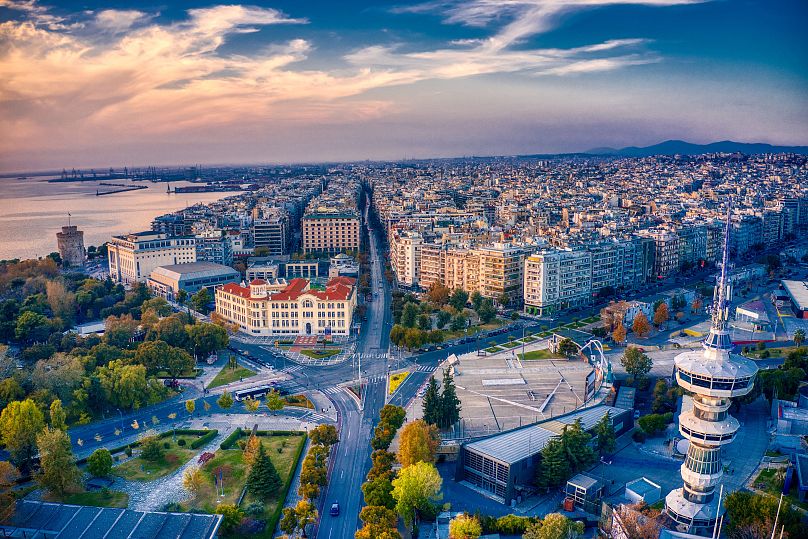
The White Tower is Thessaloniki's most famous building, located in the eastern part of the waterfront. It is a round fort-tower, built in the 15th century as part of the fortification of the city. During Ottoman occupation, the White Tower was a place of prison and torture. After the liberation of Thessaloniki, in early 19th century, the tower was whitewashed so as to be purified by the blood and as a result it was renamed to “White Tower”. Even though the tower is no longer white, it still keeps its name and is considered to be city's landmark.
Visit the permanent exhibition housed and climb up the balcony.
The view is magnificent!
Address: Leoforos Nikis St., 54640 Thessaloniki
Navarinou Square
Thessaloniki Is one of the largest student centers in South-Eastern Europe and has the largest student population in Greece and a lively vibe as a result. Young people – as well as street artists, buskers and people-watchers of all ages – like to hang out on pedestrianised Dimitriou Gounari, or in Navarinou Square, at the heart of the thoroughfare and home to the ruins of the Galerius Palace.
Address: Navarinou Square, 54622 Thessaloniki
Nea Paralia - Seaside Promenade
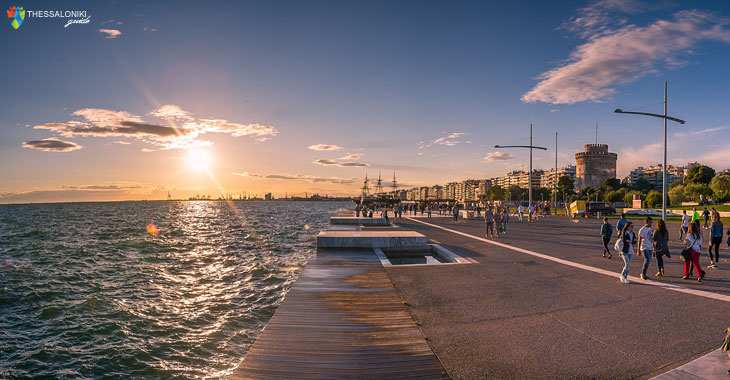
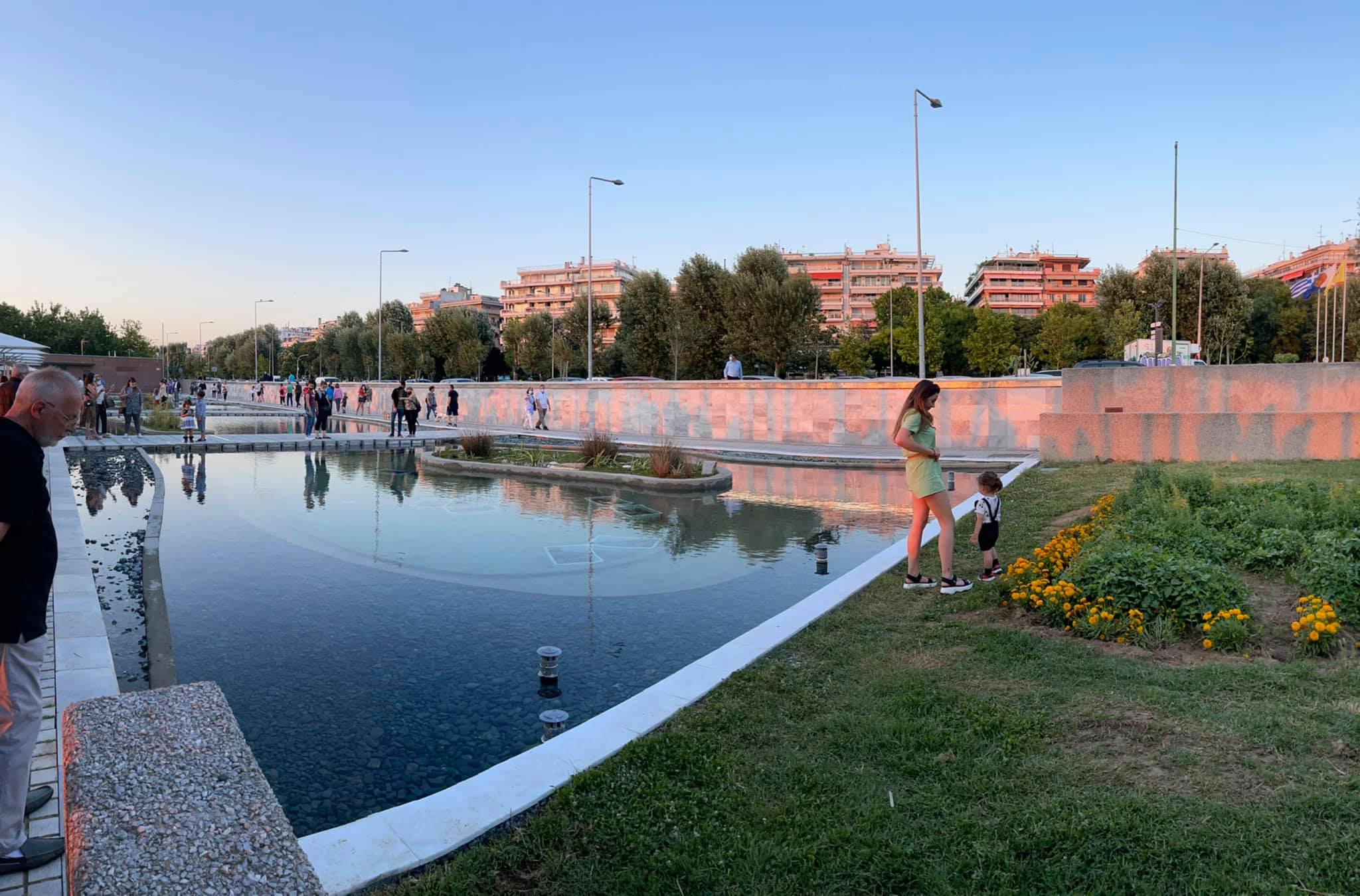
Since it opened in 2013, Thessaloniki’s redeveloped New Waterfront has become a local landmark attracting many visitors and international accolades.
Based on the study of Prodromos Nikiforidis and Bernard Cuomo it constitutes one of the biggest regeneration projects ever carried out in the city, covering 50,800 m² with 1,100 trees, expanses of greenery and water.
It is one of Greece’s most beautiful new public spaces and has been internationally awarded as one of the best promenades, designed perfectly to combine all natural elements.
Facilities such as cycle paths, sports grounds, children’s play areas, food and drink outlets and an amphitheater for events, created an attractive seafront scene.
This New Seaside Promenade improved the experience of visitors to the area, both local residents and people from all over the world.
Address: Alexandros Avenue, 546 45 Thessaloniki
Thessaloniki’s Ano Poli - the City Above the City
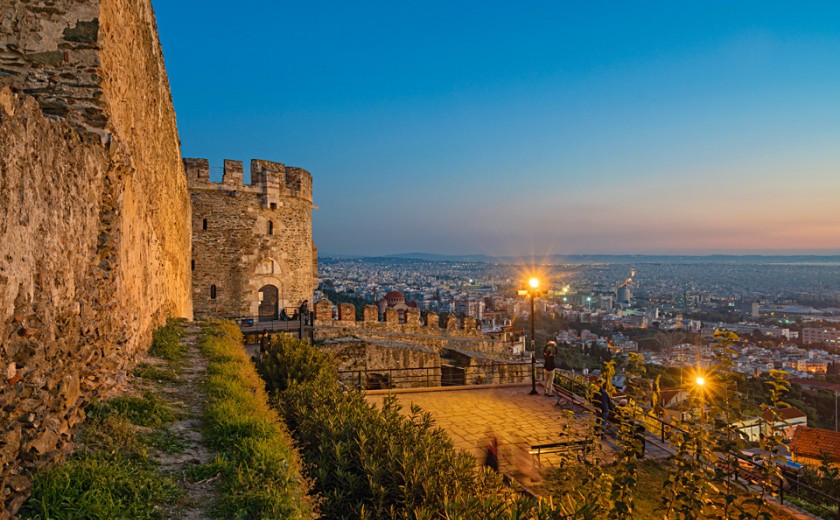
Upper Town Thessaloniki is the most ancient part of the city that is approximately 2300 years old. Here you may see the ancient Byzantine wall with its towers, ancient religious sites with Byzantine mosaics and frescoes, and other remnants of the city's great civilization.
Αno Poli, an enchanting mix of stone-paved alleys, traditional houses and impressive Byzantine era monuments is Thessaloniki’s most cohesive and colorful neighborhood. Also the view of the city and the Thermaikos Bay, and the top of Olympus standing imposing on the background is at its best from the Byzantine walls of the Upper Town.
Start your journey from Moni Vlatadon to visit the monastery of the same name. From there, head downhill, following signs to reach the Church of Osios David. Going down Theotokopoulou by the Taxiarchis Church and continuing downhill, will soon bring you to the Byzantine Bath (just above Olimpiados).
Off the larger streets bordering the neighborhood’s lower western edge are the Profitis Ilias Church, from the 14th century, and the 13th-century Church of Aghia Aikaterini. Yet another church among the cobblestone paths of Ano Poli elicits the same sense of mystery as Osios David – the 14th-century Church of Aghios Nikolaos Orphanos. It is prized both for the engaging narratives told by its frescoes (dating from the Paleologian Renaissance) and for its rambling garden. The city Byzantine Walls – which define Ano Poli’s upper edge – are a UNESCO World Heritage Site, as all the above mentioned sights.
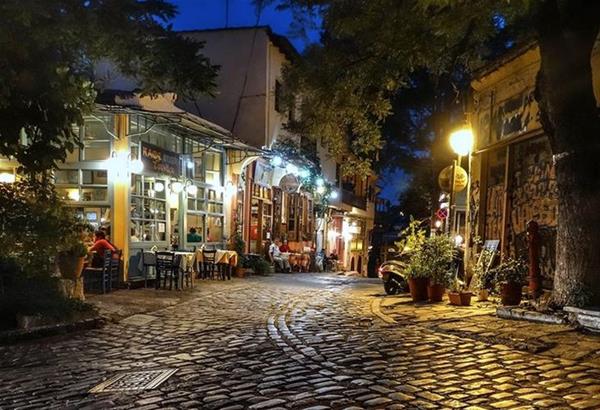
Tsinari, with its peaceful cobblestone streets and charming tavernas, is like a traditional village right in the city. This is a pleasant place to have a rest after seeing the many sights that the Upper Town offers.
If you start your journey from Trigonio Tower, once the city’s upper gate, it’s easy to see why Ano Poli was the city’s favored neighborhood for centuries. The forest is to your left and the whole of the Thermaikos Bay is stretched out beneath you. Directly across the water, the majestic peaks of Mt Olympus feel stunningly close.
This view is one of the city’s most romantic, and you’ll find as many locals here as visitors. Time your visit for sunset, when the last rays etch the mountain’s silhouette clearly against the sky. Then watch as, below you, the city lights go on and the tower glows gold.
Next stop is “Yedi Kule” or Eptapyrgio, a really impressive building, which consists of ten towers as well as more recent buildings inside and outside of it. Known by the dozens of rebetiko songs written for its history, it was a fortress of the city since the first centuries A.D., while it was turned to a prison until 1989, being for many years a symbol of fear for the city, due to the brutal conditions prevailing there. In 1989 the prison was transferred elsewhere and Eptapyrgio, which has been characterized as a part of world heritage by UNESCO.
A little higher, on Chilia Dendra (“A Thousand Trees”), the famous cedar hill hosts the fauna of the Zoo. At the district of St Paul, dominates the majestic church dedicated to the Apostle of the Nations, just above the Apostle Paul’s Holy Water, since the area is related to his passing from Thessaloniki in 50 AD. Very near is the “Pasha’s Gardens”, the large park facing the eastern walls, will reward you with cool moments and pleasure combined with the wonderful view of the city.
Address: Ano Poli, 54633 Thessaloniki
Ladadika
Ladadika constitutes an important area of the distant past, which reveals the social history of Thessaloniki and presents historical, urban, architectural, traditional and social interest.
The word “Ladadika” literally means the shops that sell oil and its products. The whole area is located inside the city’s historical center and it was designated, in 1985, as a historical area. A unique historical complex of small shops, close to the port, turnedout to be the center of wholesale market. It was also known as “Egyptian Market”. However, after the devastating fire of 1917, it gradually began to decline.
Since the early 1990s, the “Ladadika” district was included in a technical – development programme to upgrade the historical and commercial centre of Thessaloniki and was, thus, designates a “historical landmark location”.
Ever since, numerous buildings have been repaired, restored and mostly converted to recreation and entertainment venues. Buildings in the district vary in size, height and orientation and its narrow cobblestone streets often lead to squares and open areas full of people, particularly during the summer.
Today, “Ladadika” is one of the most picturesque parts of the city, housing many restaurants, cafes, bars, tavernas and nightclubs.
Ano Ladadika and Emporiou Square
The area between Valaoritou street and Ladadika, just above Tsimiski, is known as Ano Ladadika. Due to the redevelopment of the square, the interest of both businessmen and the people turned to this atmospheric neighborhood of the city center. The smell of spices, cooked meats, and fresh roasted coffee beans, feels the air and englufs you in a magic mystery, that you dont want to miss.
Address: Emporiou Square, 54625, Thessaloniki
Louloudadika - Flower market
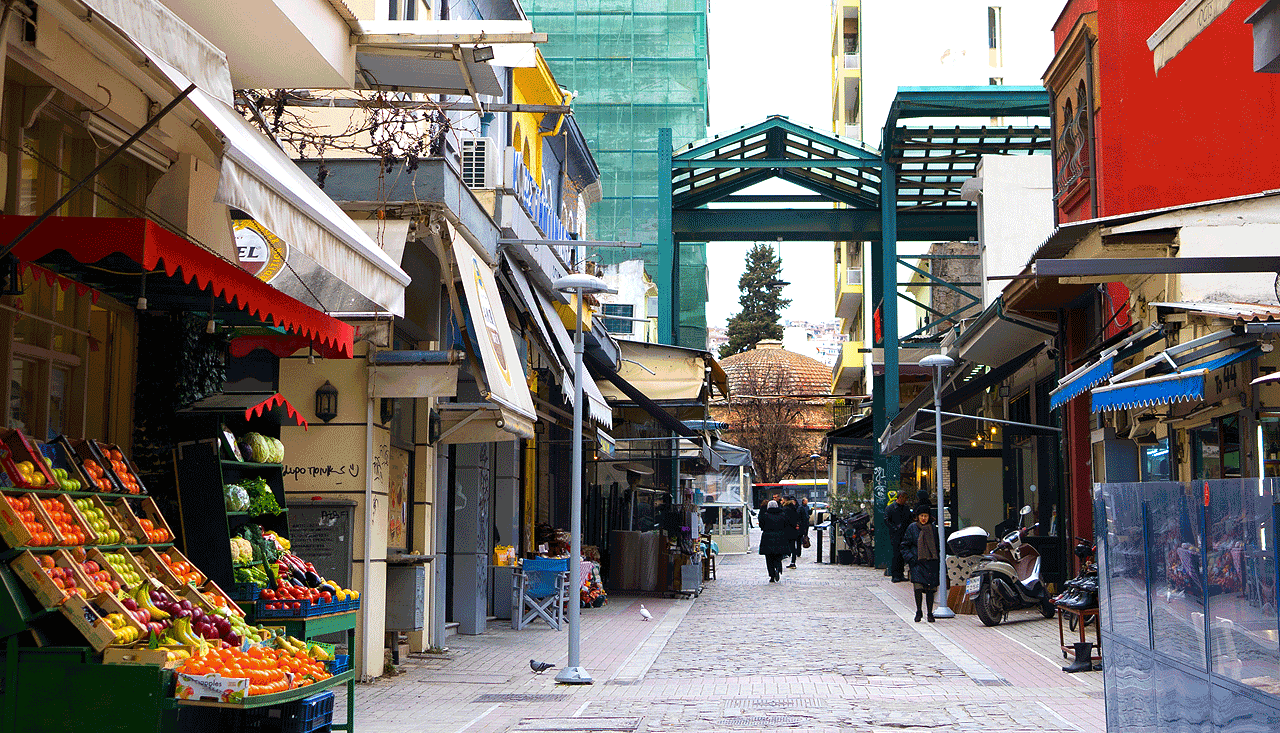
Louloudadika district (Flower Markets) constitutes an essential part of the historical center of Thessaloniki. From the late 19th century, florist shops of Thessaloniki started opening at the junction of Komninon, King Heraklion and Fagkini streets.
In this fragrant place near the Modiano Market, a truly traditional corner of the city center, with a mixture of various sensations and pictures, with food shops, restaurants and cafés, when you pass by your senses will be filled with colours and flavours!
Address: 26, Vasileos Irakleiou St., 54624, Thessaloniki
Nikis Avenue
Τhe central waterfront avenue of the city, famous for its classic buildings and panoramic views of the Gulf of Thessaloniki. Leoforos Nikis "Victory Avenue", is the busiest, most famous, most photographed and most painted street in Thessaloniki and has the highest residential property value in the city, and among the highest residential and commercial property values in Southeastern Europe. Nikis Avenue is also very important commercially, as it is lined with numerous cafés, restaurants and businesses and is frequented by thousands of tourists and locals every day.
Address: Leoforos Nikis Avenue, Thessaloniki
Athonos Square
Athonos Square is a small but very lively market, popular for its traditional cafés and the many excellent taverns and restaurants serving original Greek dishes along with culinary dishes from around the globe.
It is located in the very center of the town between Aristotle and Agia Sophia streets, the square’s abundance of bright buildings and special traditional colors will certainly impress you. Walking through the narrow paved streets that surround the square, you will discover many small traditional shops (carpenters, cobblers, machine shops, hence the older name “Xyladika” or “Karekladika»).
Address: Athonos Square, 54623 Thessaloniki
Seih Sou forest
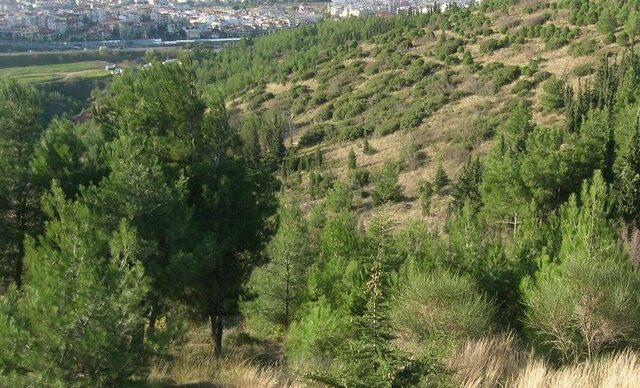
The Seih Sou forest, also known as Kedrinos lofos, in the Saint Paul district is the main lung of the city. Only 15 minutes from the city center, you will find great paths to follow and spots to hold your breath and enjoy the magnificent view.
This green oasis is ideal for morning or afternoon strolls away from the bustle of the city. Ideal for walks, bike rides and picnics, Seih Sou forest is crisscrossed by a network of paths and trails, allowing you to tune off and relax surrounded by nature. One of Thessaloniki’s best-kept secrets, it is a little bubble of oxygen that will please anyone looking for some escape.
Address: SeihSou, 57010 Thessaloniki
Entrance fee: Free
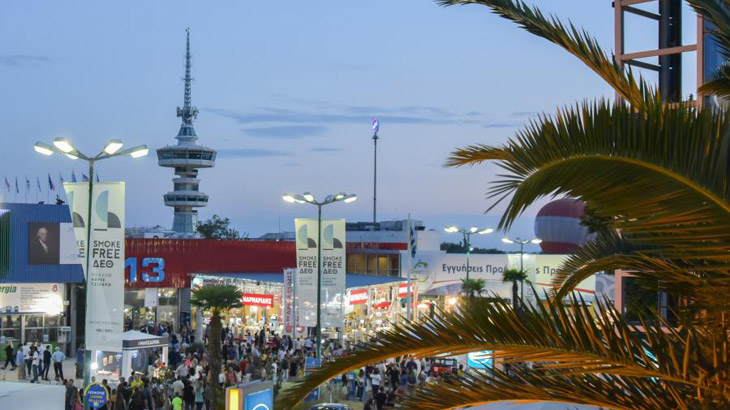
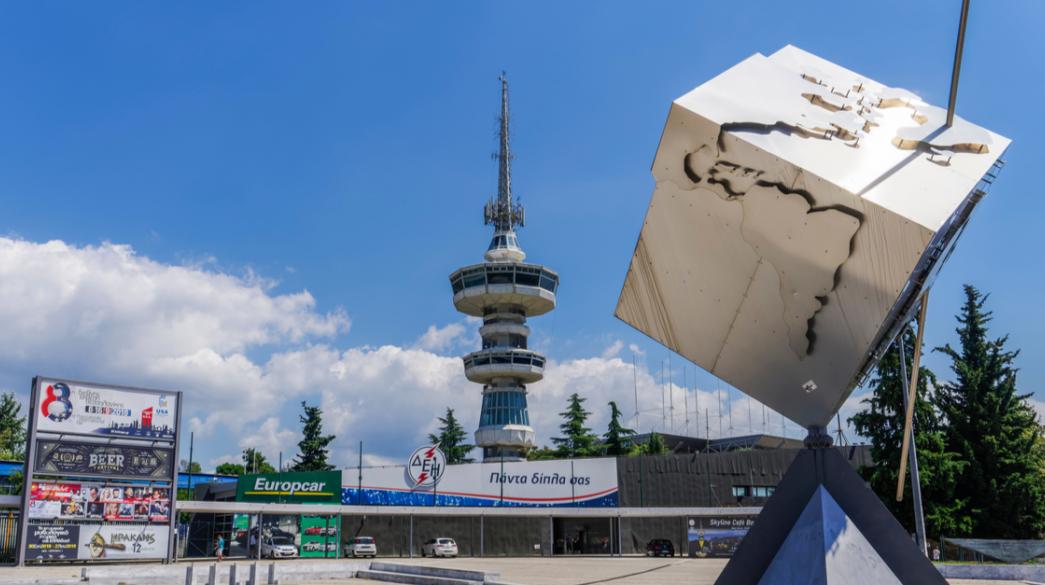
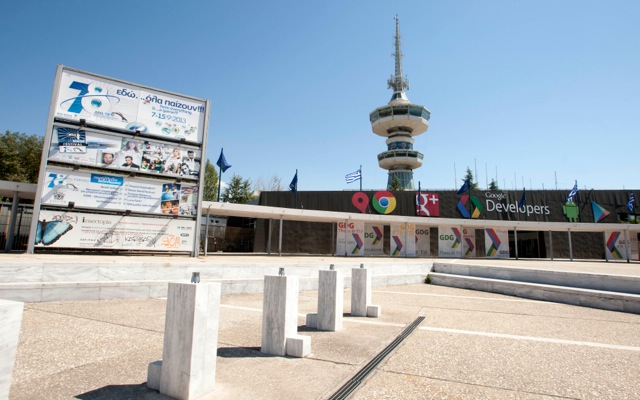
Thessaloniki International Trade Fair
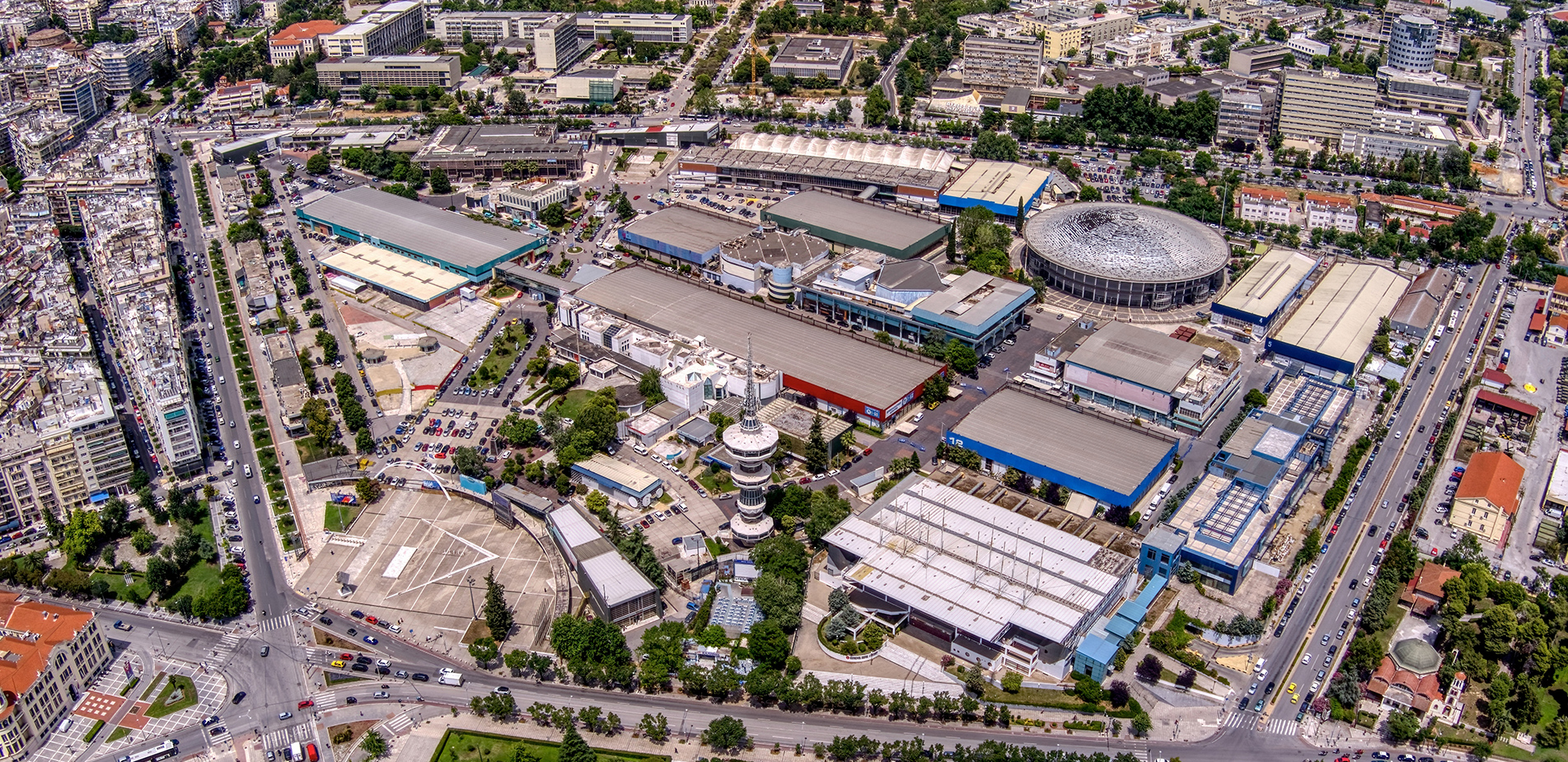
The Thessaloniki International Trade Fair was established in 1925 as a place for trade fairs. Its first exhibition took place in 1926. Since then it has become the most important economic and political event of Greece as well as of the wider geographical area of southeastern Europe.
The International Exhibition & Congress Centre of TIF HELEXPO is located in the 'heart' of Thessaloniki, with easy access from any location in the city and using any means of transportation.
With trade fairs and consumer exhibitions held successfully throughout the year at exhibition premises of European Specifications, his is the most important exhibition organisation agency in Greece, operating since 1926.
At the heart of the city's history, adjacent to the Byzantine Museum and the Archaeological Museum, the International Exhibition Centres of TIF HELEXPO attract a wealth of conference events.
Address: 154, Egnatias Street, 54636 Thessaloniki
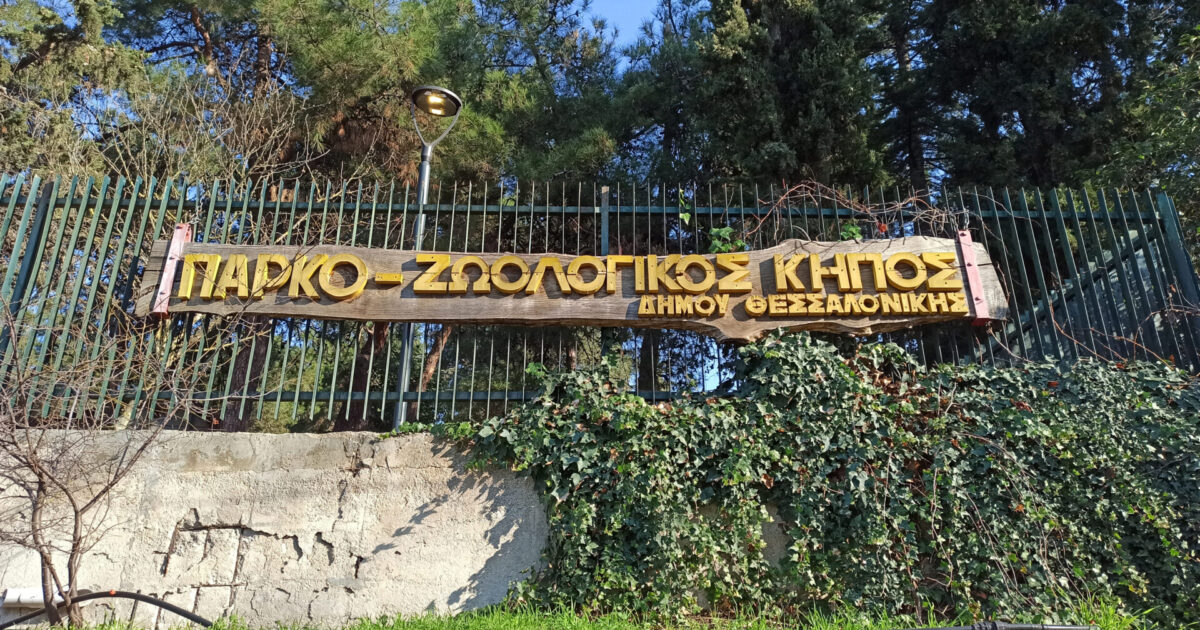
City Zoo
At the suburban forest in Thessaloniki, in the Xilia Dendra area, right next to the famous Dasos Theatre, the Zoo of the city is one of the attractions that worth a visit, especially if you are Thessaloniki with your family. The 33000 m² are structured in such a way that they resemble a natural environment for the animals which represent the wild fauna of the country –among other things. You will have the chance to see birds and mammals, deer, boars, goats, squirrels, wild sheep, sheep, rabbits, peacocks and other animals. The zoo in the forest gives a significant recreational and educational space, since children could come contact with different animals and birds in pleasant and cool environment.
The visitors of the Thessaloniki zoo can also visit a small museum of Natural History and the House of Reptiles that are located inside the Thessaloniki Zoo area.
Address: Tsatra Square, Agios Pavlos, 55438 Thessaloniki
Telephone: +30 2310 219980
Along the Thessaloniki waterfront
Walking from the port or the White Tower to the Thessaloniki Concert Hall, you will find the 8 thematic parks along the waterfront.
From the White Tower, till Thessaloniki’s Concert Hall, is where the renewed and reconstructed New Waterfront of Thessaloniki begins, of a 3,5km length, it will give you an alternative for a walk with your children. Along the beach, on your left hand, you’ll meet theme parks for all different tastes.
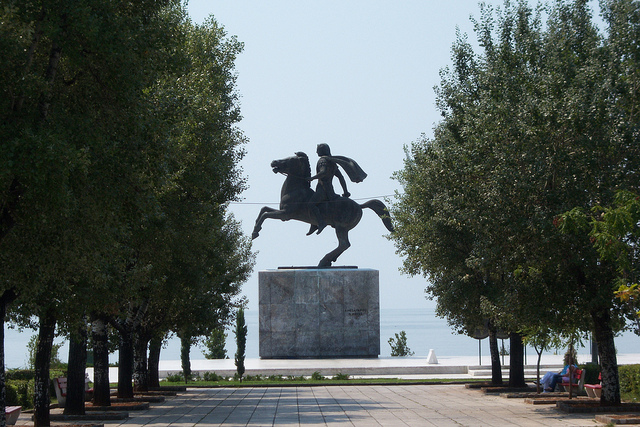
The first theme park is the Garden of Alexander. The statue of the great commander and the king of the Macedonians, Alexander the Great is found here, presented while riding his favorite horse, Bucephalus.
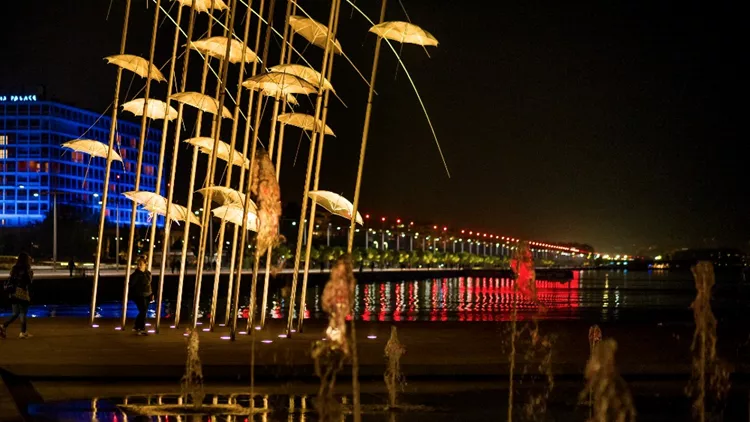
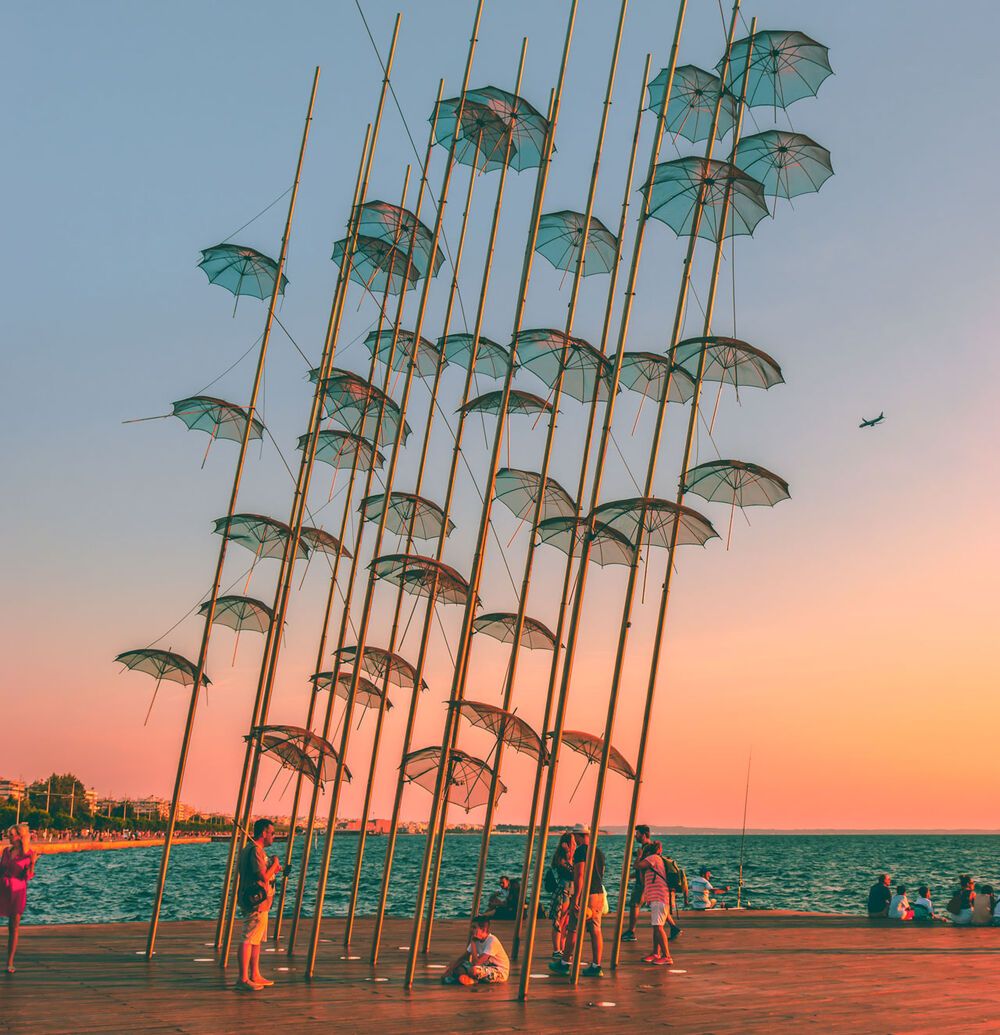
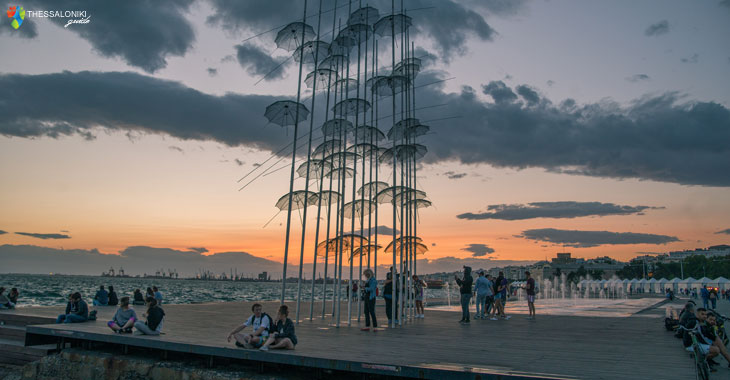
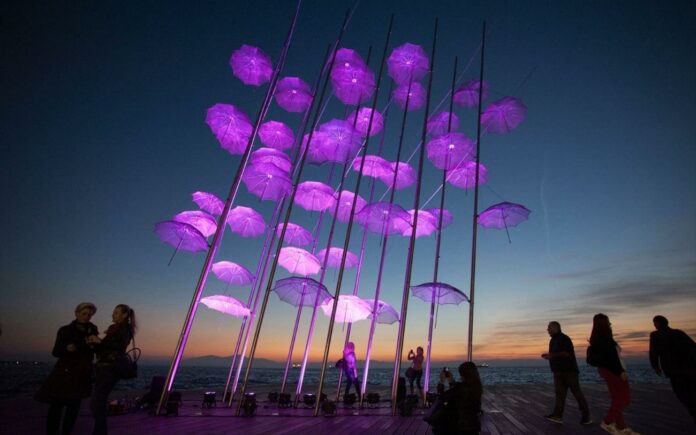
Next, just before the Macedonia Pallas Hotel and in front of the Garden of the Afternoon Sun you will face the unique art work, “Umbrellas”, of the sculptor George Zogkolopoulos. Don’t forget to take a picture there, especially during the sunset, capturing this moment as a reminder of your journey.
The thematic spaces sorted throughout the length of the New Beach, the so-called Gardens, will give children the opportunity to play in many playgrounds and grownups will have the chance to relax, in garden benches and under the shadow of pergolas with roses and ponds with goldfishes.
In the theme parks you will find also skating and skateboarding tracks, but also tennis and basketball courts.
Throughout the length of the Old and New Waterfront there is a bike path. You can rent a personal or a family bike from the companies that are located at the beginning and at the end of the beach. There are four-wheel bikes, with baby seats that do not participate in the pedal, horse-drawn carriages, and even a train for unforgettable relaxed rides.
Spend a relaxing day with your family in the beautiful parks in waterfront! Bring a picnic lunch, play lawn games, and enjoy a view of infamous Mount Olympus.
Alexandros Avenue, 546 45 Thessaloniki
Pasha’s Gardens
On the northern side of Agios Dimitrios hospital and east to Kastron street, very near to Saint Paul church, it is a green oasis with pine trees and unusual, half-ruined stone structures. This imaginative, Gaudí-style architecture centers around an ornate fountain encircled by a tunnel leading nowhere. There is also a cistern to collect rainwater, a seating area, and a small gate leading underground.
The Pasha’s Gardens were constructed in 1904 and they are the only integrated creation of the architectural trend of visionary architecture in Thessaloniki. The name of the garden suggests the pleasant feeling the position of the garden gives to visitor, with children's corners for recreation and a seating area to admire the views of the city.
Address: Agios Paulos, 54634 Thessaloniki
Entrance fee: Free
Umbrellas
The "Umbrellas" is an impressive work of art by the famous sculptor Giorgios Zoggolopoulos and is one of the attractions in Thessaloniki that catches the attention of every visitor. Centrally located along Nea Paralia you’ll be charmed by its commanding presence and large size (the umbrellas are 13 meters tall and give the impression that they reach the sky). For the record, this particular work by Zoggolopoulos was exhibited for the first time at the Venice Biennale in 1993, where it received excellent reviews and in 1997 was displayed outside the Macedonian Museum of Contemporary Art in Thessaloniki.
Address: 7, Avenue Megalou Alexandrou, 54640 Thessaloniki
Arch of Galerius “Kamara”
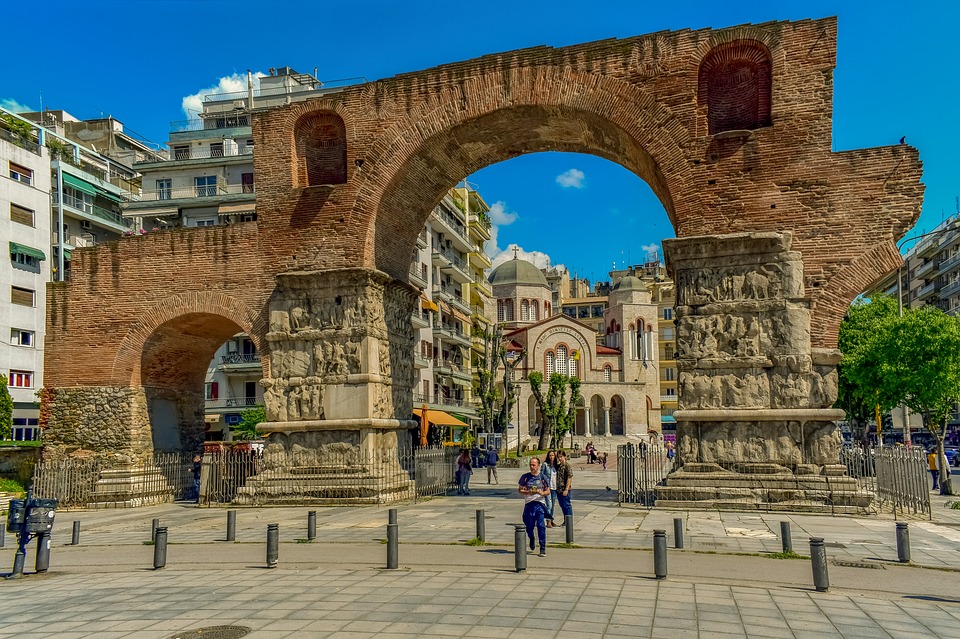
The Arch of Galerius (known today as “Kamara”), is perhaps the most distinctive and interesting roman structure of Thessaloniki. It is also one of the most popular destinations of the city along with the White Tower for both locals and tourists.
It was built to honor the Roman Emperor Galerius who returned victorious to Thessaloniki (about 306 AD) after the wars against the Persians. The triumphal arch was placed vertically on ancient Roman Egnatia Road, passed through the city and was part of the Roman palace which stretched further southwest, and where Navarinou and Ippodromiou squares stand today.
The structure was originally an eight-pillared gateway that formed a triple arch faced with brick and marble panels with sculptural relief. Only three of the eight pillars and parts of the masonry cores survive. The two pillars that flank the central arched passageway retain their marble sculptures that depict Roman soldiers fighting against the Persians.
The sculptured panels hold the interest of history buffs and art lovers alike. One panel shows Galerius attacking the Persian general Narses. Another depicts the imperial family, including Galerius’ wife, Valeria. The arch asserts the glory of the Roman tetrarchy and Galerius’ dominance and is located within the ruins of Galerius’ palace.
South of the square, the so-called “Apsidal Hall” of the complex was built. Today its remains are visible at the archaeological site on D. Gounari Street.
Address: 144, Egnatia St., 54622 Thessaloniki
Alexander the Great Monument
The imposing bronze statue of Alexander the Great riding his faithful companion of 20 years, Bucephalus, dominates Thessaloniki's Nea Paralia, a few meters away from another city landmark, the White Tower. This is one of the city's most photographed sights, which was erected in 1973 with public fundraising. It was unveiled in 1974. The equestrian statue of the Macedonian commander was created by the sculptor Evangelos Moustakas and is the tallest in Greece, reaching almost 6.15 meters in height.
Address: Megalou Alexandrou St., 54621 Thessaloniki
Byzantine Walls of Thessaloniki
Thessaloniki was walled immediately after it was founded by Cassander; At the south-west end of the sea wall was the large artificial harbor that was constructed by King Constantine during his stay in Thessaloniki (322-323). In 390 AD a series of large-scale changes took place by Theodosius I.
The new walls had the shape of a trapezium and were about 8 km long. Towers were built on the slopes of the hill, most of them rectangular. Triangular bulwarks alternated with rectangular towers at the most sensitive within it points of the Acropolis. On the side facing the sea, the city was protected by the sea wall, which also incorporated architectural members taken from the late Roman buildings in the Agora, probably for use in repairs made after the earthquakes of 620-630.
During the 1st half of the 15th c. there were efforts to boost it in the light of the Turkish threat; this is why certain scholars support that the Trigoniou Tower and the White Tower were built during that period.
The Acropolis was appended to the exterior of the north-east section of the enceinte, and followed the general arrangement of the fortifications in the lower city, with alternating rectangular towers and defensive triangular bulwarks at its most vulnerable points. Inside the Acropolis there is a large cistern in the south-east section which was used for the city's water supply. On the north edge of the perimeter wall is the Fortress of the Heptapyrgion, to the south of which an Early Christian basilica has been excavated.
At the end of the 19th century, the sea wall began gradually to be demolished, followed by large sections of the land walls in the lower, flat area of the city. The surviving fortifications, however, a length of almost 4 km, including the Acropolis and the Heptapyrgion, form an imposing complex; their height ranges from 8.30 to 10.50 m. and their width may measure up to 4.50 m, making them an impressive monument and one of great archaeological and cultural value. The line of the sea wall is being uncovered by excavations.
Address: Charalampou Mouskou St., 54634 Thessaloniki
Tsinari
Tsinari, part of the Ano Poli (Upper City), took its name from "cinar" Turkish for plane tree. The profile of the distict is still alive due to the preservation of the old urban plan and the significant number of listid buildings present in the area. Today its tavernas attract customers from all over the city, making the neighbourhood a lively place.
Address: Alexandra Papadopoulou St., 546 33 Thessaloniki